Best Smart Home Automations for Energy Saving (2026)
Best Smart Home Automations for Energy Saving (2026)
The average US household spends $2,800 per year on energy bills. Smart home automation can realistically cut that by 20-35%—saving $560 to $980 annually—without sacrificing comfort. The key isn’t just buying smart devices; it’s setting up the right automations that eliminate waste automatically.
This guide covers the seven highest-impact energy-saving automations you can implement today, with estimated savings, required devices, setup difficulty, and payback periods. Whether you’re on Home Assistant, SmartThings, or Apple Home, these automations work across platforms.
1. Thermostat Geofencing and Smart Scheduling
Estimated annual savings: $200–$400
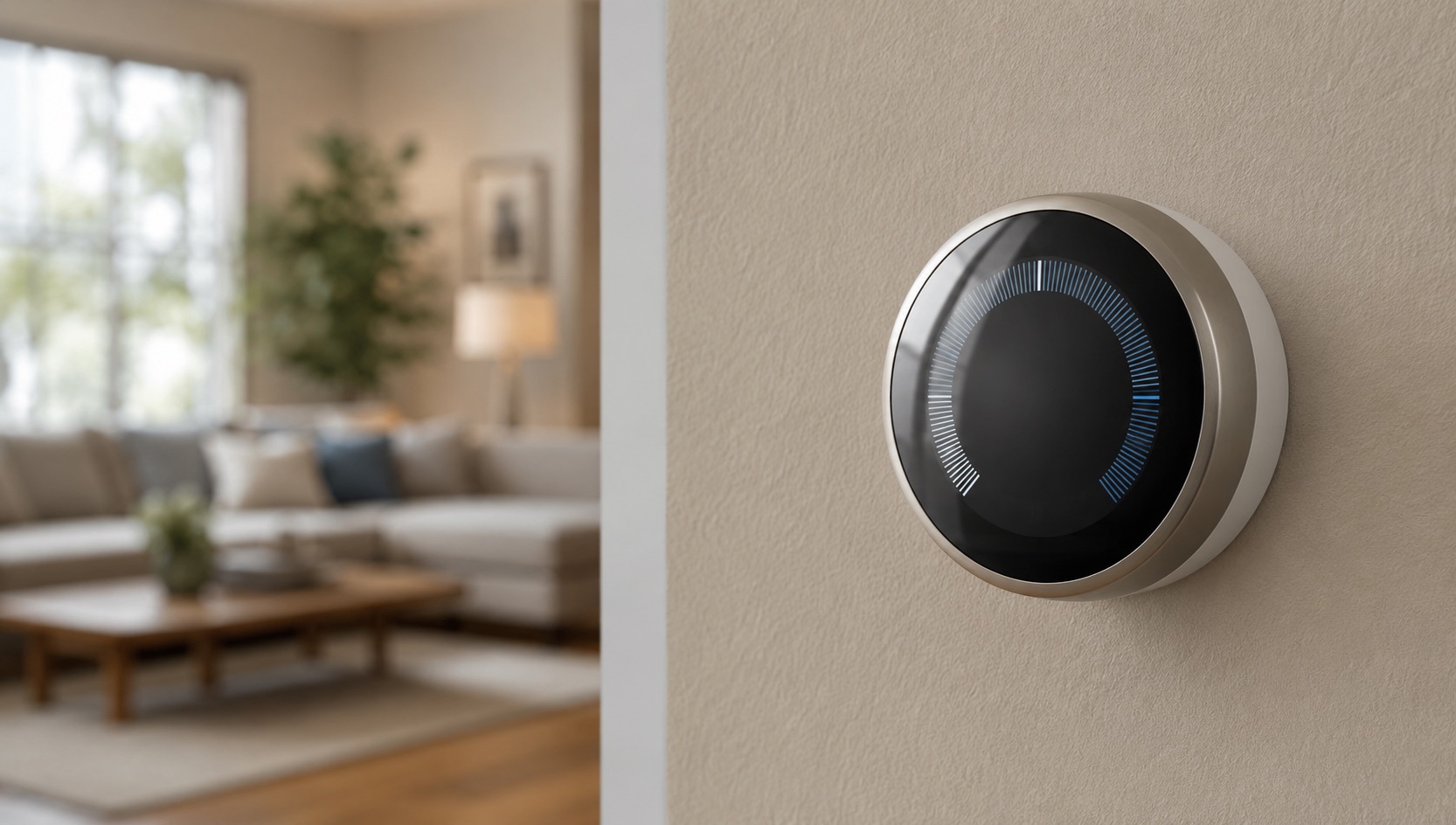
Heating and cooling account for roughly 50% of your energy bill. A smart thermostat with geofencing automatically switches to eco/away mode when everyone leaves and pre-conditions the house before you return.
How It Works
- Geofencing detects when all household members leave (via phone GPS)
- Thermostat drops to eco temperature (summer: raise to 82F, winter: drop to 62F)
- When the first person heads home, the thermostat pre-heats or pre-cools to your preferred temperature
- Learning algorithms optimize the schedule based on your patterns
Devices Needed
- Smart thermostat: Ecobee Premium ($250), Google Nest Learning ($250), or Honeywell T9 ($180)
- Phone with manufacturer app or Home Assistant companion app
Setup Difficulty: Easy
Most smart thermostats include geofencing out of the box. Install the thermostat, set up the app on all household phones, enable geofencing, and set your home/away temperatures. The best smart thermostat guide covers installation in detail.
Pro Tips
- Set the eco temperature only 8-10 degrees from your comfort temperature—bigger gaps mean longer recovery times and potentially higher bills from the system working harder to catch up
- Enable “early on” or learning features so the house is comfortable when you arrive, not 30 minutes after
- Add room sensors (Ecobee SmartSensor, $40 for 2-pack) to prioritize the rooms you actually use
2. Smart Plugs Killing Vampire Loads
Estimated annual savings: $100–$200
Vampire loads—the power devices draw when “off” but plugged in—account for 5-10% of residential electricity use. TVs, gaming consoles, phone chargers, coffee makers, and computer monitors all draw power 24/7.
How It Works
- Smart plugs with energy monitoring track how much each device draws in standby
- Automations turn off plugs on a schedule or based on conditions
- Example: TV entertainment center turns off completely at midnight, back on at 5pm
- Example: Home office equipment powers down when you leave the house (geofencing)
Devices Needed
- Smart plugs with energy monitoring: TP-Link Kasa KP125M ($15 each), Shelly Plug S ($20), or Zooz ZEN15 ($35 for high-draw devices)
- 4-6 plugs for a typical household: $60–$120 total
Setup Difficulty: Easy
Plug in, connect to your platform, set up schedules or geofence-based automations. Start by monitoring for a week to identify the worst vampire loads, then automate accordingly.
Biggest Offenders
- Gaming consoles (PlayStation/Xbox in rest mode): 10-15W = $15-25/year each
- TV + soundbar + streaming stick in standby: 15-25W = $20-35/year
- Desktop computer + monitors in sleep: 20-40W = $30-55/year
- Multifunction printers: 5-10W = $8-15/year
- Phone/tablet chargers (no device attached): 0.5-1W each, minimal individually but adds up
3. Occupancy-Based Lighting
Estimated annual savings: $50–$150
Lights left on in empty rooms waste more energy than people realize—especially in larger homes. Occupancy-based automation turns lights off automatically when rooms are vacant.
How It Works
- Motion or presence sensors in each room detect occupancy
- Lights turn on when someone enters, off after the room is vacated
- Advanced setups use mmWave sensors that detect stationary people (preventing premature shutoff)
- Dim lights during daytime when natural light is sufficient (using lux sensors)
Devices Needed
- Motion sensors: Aqara P2 ($20 each), Hue Motion ($40), or Ikea VALLHORN ($10)
- Optional: Aqara FP2 mmWave ($55) for living areas where you sit still
- Smart bulbs or switches already installed
- Typically 4-8 sensors for whole-home coverage: $80–$200
Setup Difficulty: Medium
Requires a sensor in each room and automations configured per room with appropriate timeouts. Bathrooms need longer timeouts (10+ minutes), hallways can be short (2 minutes). See our best smart sensors guide for sensor recommendations by room type.
Pro Tips
- Use adaptive lighting that dims to 10-20% instead of fully off during late-night bathroom trips
- Combine motion sensors with lux sensors—don’t turn on lights if the room already has enough natural light
- Set different behaviors for day vs. night (full brightness during day, dim warm light at night)
4. Scheduled Water Heater
Estimated annual savings: $80–$150
Water heating is the second-largest energy expense (about 18% of bills). Most water heaters maintain temperature 24/7, even when nobody is using hot water for 16+ hours per day.
How It Works
- A heavy-duty smart switch controls the water heater circuit
- Schedule: heat water before morning routines (4am-7am) and before evening (4pm-7pm)
- Tank insulation retains heat for several hours after heating stops
- Optional: boost button in your smart home dashboard for unexpected hot water needs
Devices Needed
- Heavy-duty smart switch rated for water heater amperage: Shelly Pro 4PM ($60), Zooz ZEN15 ($35), or a dedicated water heater controller like Aquanta ($150)
- For tank water heaters only (not tankless/on-demand)
Setup Difficulty: Medium-Hard
Requires electrical knowledge or an electrician. The switch must be rated for the water heater’s amperage (typically 20-30A for electric heaters). Gas water heaters need a different approach (smart thermostat control on the unit itself).
Important Safety Note
Never schedule a water heater below 120F/49C for extended periods—temperatures below this allow Legionella bacteria growth. The automation should reduce heating frequency, not the target temperature.
5. Smart Blinds for Solar Gain Control
Estimated annual savings: $100–$250
Windows are the biggest source of heat gain in summer and heat loss in winter. Automated blinds manage solar gain throughout the day without you thinking about it.
How It Works
- Summer: close south/west-facing blinds during peak sun hours (10am-4pm) to reduce cooling load
- Winter: open south-facing blinds during sunny days to capture free solar heat, close at sunset to insulate
- Sensors track outdoor temperature, sun position, and indoor temperature to optimize automatically
- Schedule-based: basic time schedules work well as a starting point
Devices Needed
- Motorized blinds: Ikea FYRTUR ($130-$180), Eve MotionBlinds ($200+), or Lutron Serena ($350+)
- Alternative: retrofit motors like SwitchBot Blind Tilt ($70) or SOMA Smart Shades 2 ($90)
- Temperature sensor (indoor): usually included with smart thermostat
- Optional: outdoor temperature sensor or weather service integration
Setup Difficulty: Medium
Motorized blinds are straightforward to install (replace existing blinds or add retrofit motors). The automation logic requires some thought—sun position calculations, seasonal adjustments—but Home Assistant’s sun integration handles most of this automatically.
Expected Impact
Studies show automated blinds reduce cooling costs by 15-25% and heating costs by 5-10%. South and west-facing windows deliver the highest ROI. If you only automate some windows, prioritize the largest south/west-facing ones.
6. Energy Monitoring and Anomaly Alerts
Estimated annual savings: $50–$100 (from behavior changes triggered by awareness)
You can’t reduce what you don’t measure. Whole-home energy monitoring reveals patterns and catches anomalies like a malfunctioning appliance drawing excessive power.
How It Works
- Whole-home energy monitor tracks total consumption in real-time
- Per-circuit or per-device monitoring identifies the biggest consumers
- Alerts notify you of unusual patterns (e.g., “your dryer has been running for 4 hours”)
- Historical data shows trends and validates that your automations are actually saving energy
Devices Needed
- Whole-home monitor: Emporia Vue 2 ($90), Sense ($300), or Shelly Pro 3EM ($90)
- Per-device: smart plugs with energy monitoring (mentioned in section 2)
- Dashboard: Home Assistant Energy Dashboard (free, built-in)
Setup Difficulty: Easy-Medium
Clamp-on monitors (Emporia, Sense) install on your electrical panel without an electrician in most cases—they clamp around the main feed wires. Per-device monitoring just requires smart plugs.
What to Watch For
- Baseline consumption (what your house draws when everyone’s asleep)—aim to get this under 200W
- Appliances that cycle too frequently (short-cycling HVAC, defrosting refrigerator)
- Phantom loads you missed (that old cable box you forgot about)
- Seasonal trends—compare this month to last year’s same month
7. EV Charging on Off-Peak Tariffs
Estimated annual savings: $200–$600 (for EV owners)
If you have an electric vehicle and a time-of-use electricity plan, charging during off-peak hours (typically 11pm-7am) can cut charging costs by 50-70%.
How It Works
- Smart EV charger or smart plug schedules charging for off-peak hours only
- Optional: solar diversion charges your EV with excess solar production during the day
- Automations prevent charging during peak rate periods even if manually plugged in
- Smart notifications remind you to plug in before off-peak rates begin
Devices Needed
- Smart EV charger with scheduling: Emporia Level 2 ($450), Wallbox Pulsar Plus ($500), or Tesla Wall Connector ($475)
- Alternative: heavy-duty smart plug/switch for Level 1 charging control
- Time-of-use electricity plan from your utility
Setup Difficulty: Easy (once charger is installed)
Most smart EV chargers include built-in scheduling. Set your off-peak window and plug in whenever you get home—the charger waits for cheap rates automatically. For solar diversion, you’ll need Home Assistant with a solar monitoring integration.
Rate Comparison Example
- Peak rate: $0.35-$0.55/kWh (afternoon/evening)
- Off-peak rate: $0.08-$0.15/kWh (overnight)
- Average EV uses 3,000-4,000 kWh/year
- Savings from off-peak only: $600-$1,600/year vs. peak-only charging
Energy Savings Summary Table
| Automation | Annual Savings | Device Cost | Difficulty | Payback Period |
|---|---|---|---|---|
| Thermostat geofencing | $200–$400 | $180–$250 | Easy | 6-12 months |
| Vampire load elimination | $100–$200 | $60–$120 | Easy | 4-8 months |
| Occupancy-based lighting | $50–$150 | $80–$200 | Medium | 8-18 months |
| Scheduled water heater | $80–$150 | $35–$150 | Medium-Hard | 3-12 months |
| Smart blinds (solar control) | $100–$250 | $200–$700 | Medium | 1-4 years |
| Energy monitoring + alerts | $50–$100 | $90–$300 | Easy-Medium | 1-3 years |
| EV off-peak charging | $200–$600 | $450–$500 | Easy | 1-2 years |
Total potential savings: $780–$1,850/year
Getting Started: Priority Order
If you’re implementing these one at a time, here’s the recommended order based on ROI:
- Thermostat geofencing — Highest savings, easiest setup, fastest payback
- Vampire load smart plugs — Cheap devices, immediate savings, no complexity
- EV off-peak charging — Huge savings if applicable, simple scheduling
- Water heater scheduling — High savings but requires electrical comfort
- Occupancy lighting — Moderate savings, requires multiple sensors
- Energy monitoring — Enables further optimization, validates other automations
- Smart blinds — Highest upfront cost, longest payback, but adds comfort value
For a complete beginner’s approach to setting up your first automations, start with the thermostat and smart plugs—they require minimal setup and deliver noticeable bill reductions within the first month.
Combining Automations for Maximum Impact
These automations work best together. Here’s an example “leaving home” automation that combines multiple energy-saving actions:
Trigger: Last person leaves geofence
Actions:
- Set thermostat to eco mode (saves HVAC)
- Turn off all lights (saves lighting)
- Turn off entertainment center smart plugs (kills vampire loads)
- Turn off home office smart plugs (kills vampire loads)
- Close blinds on south/west windows in summer (reduces solar heat gain)
- Send confirmation notification to your phone
This single automation, triggered automatically by geofencing, can save $1-$3 per day depending on how long you’re away.
FAQ
How much can smart home automation realistically save on energy bills?
Most households can realistically save 20-35% on energy bills through automation—that’s $560 to $980 annually on the US average of $2,800. The biggest single savings come from smart thermostat geofencing (15-20% of total HVAC costs). However, savings depend heavily on your starting point. If you already manually adjust your thermostat and turn off lights, savings will be lower. If you typically leave everything running, savings will be dramatic.
Do smart home devices use enough electricity themselves to offset the savings?
No. A typical smart home setup (hub, 10 smart plugs, 5 sensors, smart thermostat) draws 15-25W total—about $25-$40/year in electricity. This is far less than the $500-$1,000+ in savings these devices enable. The only devices with notable power draw are always-on smart displays and cameras. Zigbee/Z-Wave sensors use negligible power (coin cell batteries lasting 2+ years).
Is it worth scheduling my water heater if I have a tankless unit?
No—tankless (on-demand) water heaters only use energy when you’re actively drawing hot water, so there’s nothing to schedule. This automation is specifically for tank-style water heaters that maintain temperature 24/7. If you have a tank heater and can’t schedule it, at least insulate the tank with a water heater blanket ($25-$40) for 7-16% savings on water heating costs.
What’s the fastest payback smart home energy device I can buy today?
Smart plugs with energy monitoring. A $15 TP-Link Kasa KP125M controlling a gaming console in rest mode saves $15-$25/year—paying for itself in under a year. Controlling an entertainment center (TV + soundbar + streaming device + console) saves $35-$60/year. Buy 4-5 plugs, identify your worst vampire loads in the first week, then set up kill schedules. Total investment: $60-$75, annual savings: $100-$200.
Can I automate energy savings without a smart home hub?
Yes, but with limitations. Smart thermostats with built-in geofencing work standalone. Smart plugs can be scheduled through their own apps. However, a hub (especially Home Assistant) unlocks the most powerful combinations—like using geofencing to trigger thermostat changes AND plug shutoffs AND blind closures simultaneously. For maximum savings with minimum complexity, start with standalone devices and add a hub later when you want more sophisticated automations.