Building a Vendor-Agnostic Smart Home: A Practical Guide (2026)
Three years ago, I built my smart home around one ecosystem. Then that ecosystem changed its pricing, killed a feature I relied on, and I was stuck. Migrating 40+ devices to a new platform took weeks and cost hundreds of dollars in incompatible hardware.
That experience taught me to build vendor-agnostic. Now every device I buy works with multiple platforms. If one ecosystem goes sideways, I switch without replacing hardware. Here is exactly how to do it.
What Vendor-Agnostic Means
A vendor-agnostic smart home uses devices and protocols that are not tied to a single ecosystem. Your lights work with Google Home, Alexa, and Home Assistant. Your sensors work regardless of which hub you use. Your automations run locally without depending on any company’s cloud.
The goal is simple: no single company can brick your devices, raise your subscription price, or change the terms on hardware you already paid for.
The Three Pillars of Vendor-Agnostic Design
Pillar 1: Open Protocols
Use protocols that multiple platforms support:
- Matter: Works with Google Home, Alexa, Apple HomeKit, SmartThings, and Home Assistant
- Zigbee: Works with Home Assistant (via Zigbee2MQTT or ZHA), SmartThings, and hubs from Aqara, IKEA, and others
- Z-Wave: Works with Home Assistant, SmartThings, and dedicated Z-Wave hubs
- ONVIF: Universal standard for security cameras
Avoid proprietary protocols that only work with one platform: Ring (Amazon-only), Hue (Philips hub required for full features), Lutron (proprietary radio, though excellent quality).
For protocol details, see our Matter vs Zigbee vs Z-Wave vs WiFi comparison.
Pillar 2: Local Control
Devices that work locally (without cloud) are immune to corporate decisions. If a company shuts down its servers, your local devices keep working.
Local control options:
- Zigbee devices with a local coordinator (Zigbee2MQTT, ZHA)
- Z-Wave devices with a local controller
- Matter/Thread devices with a local border router
- WiFi devices with local APIs (Shelly, Tasmota, ESPHome)
- ONVIF cameras recording to a local NVR
For local camera setups, see our PoE security cameras guide.
Pillar 3: Platform-Independent Automation
Run your automations on a platform that does not care which ecosystem your devices came from. Home Assistant is the obvious choice. It connects to everything and runs locally.
With Home Assistant, your automations work regardless of whether your devices are Zigbee, Z-Wave, Matter, WiFi, or a mix. If you switch from Google Home to Alexa, your Home Assistant automations keep running unchanged.
For Home Assistant setup, see our beginner guide.
Practical Device Recommendations
Lights
Vendor-agnostic pick: Zigbee bulbs (IKEA Tradfri, Innr, or any Zigbee 3.0 bulb)
- Work with any Zigbee coordinator
- No hub required (Zigbee2MQTT or ZHA)
- $8-15 each
- Act as mesh routers for your sensor network
Avoid: Philips Hue (requires Hue Bridge for full features, proprietary ecosystem), Ring lights (Amazon-only)
Switches
Vendor-agnostic pick: Shelly WiFi relays or Zigbee in-wall switches
- Shelly: local API, MQTT support, works with any platform
- Zigbee switches: work with any Zigbee coordinator
- $10-25 each
For Shelly setup, see our Shelly devices + Home Assistant guide.
Sensors
Vendor-agnostic pick: Zigbee sensors (Aqara, Sonoff, Third Reality)
- Work with any Zigbee coordinator
- $8-25 each
- Battery life: 2-5 years
- No cloud dependency
For sensor recommendations, see our best smart sensors guide.
Locks
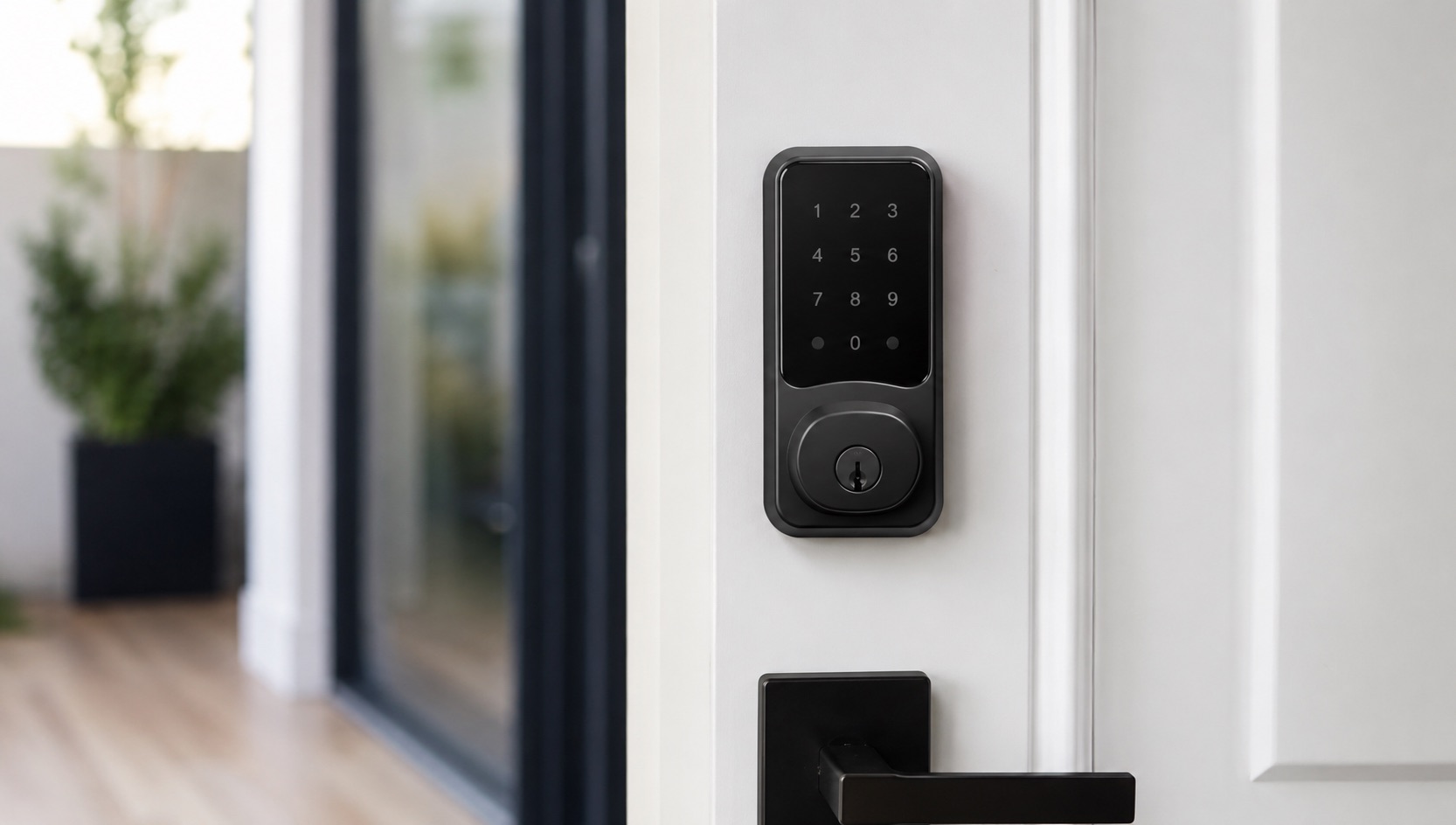
Vendor-agnostic pick: Matter-over-Thread locks (Aqara U200, Yale Assure Lock 2 with Matter)
- Work with Google Home, Alexa, Apple HomeKit, and Home Assistant
- Local control via Thread mesh
- No single-ecosystem dependency
For lock details, see our Aqara smart lock + Home Assistant guide.
Thermostats
Vendor-agnostic pick: Matter-compatible thermostats (Ecobee, Nest with Matter)
- Work across all platforms
- Local control via Matter
- No subscription required
For thermostat comparisons, see our best smart thermostat roundup.
Cameras
Vendor-agnostic pick: ONVIF-compatible PoE cameras (Reolink, Amcrest, Hikvision)
- Work with any ONVIF-compatible NVR or software
- No cloud dependency
- Local recording to NVR
- $55-120 per camera
Setting Up the Vendor-Agnostic Stack
Here is the practical setup I recommend:
Layer 1: Connectivity
- Zigbee coordinator (Sonoff ZBDongle-E, $20)
- Thread border router (Home Assistant SkyConnect, $30, or existing Apple TV/HomePod)
- WiFi router (your existing one is fine)
Layer 2: Platform
- Home Assistant (running on Raspberry Pi 4 or mini PC)
- Zigbee2MQTT add-on (for Zigbee device management)
- Matter integration (for Thread and Matter devices)
Layer 3: Devices
- Zigbee sensors (Aqara, Sonoff)
- Zigbee switches (Sonoff ZBMINI, IKEA Tradfri)
- Matter locks (Aqara U200)
- ONVIF cameras (Reolink PoE)
- Shelly WiFi relays
Layer 4: Voice (optional)
- Local voice assistant (Wyoming + Whisper + Piper)
- Or Google Home/Alexa as a voice front-end (Home Assistant exposes devices to both)
What About Proprietary Devices?
Sometimes the best device for your needs is proprietary. That is okay. The key is to minimize dependency, not eliminate it entirely.
Acceptable proprietary choices:
- Ring doorbell (if you want the best doorbell camera, accept the ecosystem lock-in for that one device)
- Philips Hue (if you need the best color accuracy, use the Hue Bridge but control via Home Assistant)
- Lutron Caseta (if you have no neutral wires, Lutron’s reliability justifies the proprietary protocol)
The rule: If more than 30% of your smart home depends on one proprietary ecosystem, you have a problem. Keep proprietary devices as exceptions, not the foundation.
Migration Strategy
If you already have a vendor-locked smart home, here is how to migrate without breaking everything:
- Add Home Assistant alongside your existing platform (they can coexist)
- Pair new devices to Home Assistant instead of the old platform
- Migrate one room at a time: Reset devices, pair to Home Assistant, update automations
- Keep the old platform running until all devices are migrated
- Decommission the old platform once nothing depends on it
Budget 15-20 minutes per device for migration. For a 30-device setup, plan 8-10 hours spread over several weekends.
FAQ
Is Matter truly vendor-agnostic?
Yes and no. Matter devices work across all major ecosystems (Google, Alexa, Apple, SmartThings). But each ecosystem may support different Matter features, and some advanced features are still platform-specific. Matter is the best path to vendor-agnostic, but it is not perfect yet.
Can I use Home Assistant with Google Home or Alexa?
Yes. Home Assistant can expose its devices to Google Home and Alexa, giving you voice control through those platforms while keeping automation and control local in Home Assistant. This is the best of both worlds: powerful local automation with convenient voice control.
Do vendor-agnostic devices cost more?
Usually no. Zigbee sensors ($8-25) are cheaper than proprietary alternatives. Matter devices are priced similarly to ecosystem-locked devices. The main cost is the Home Assistant hardware ($50-150), which pays for itself in avoided subscription fees within a year.
What if Home Assistant shuts down?
Home Assistant is open-source. Even if the company behind it disappeared, the community would continue development. The software runs on your hardware; no one can take it away. This is the ultimate protection against vendor lock-in.
How do I convince my family to use a vendor-agnostic system?
Make it invisible. The best smart home is one your family does not think about. Set up voice control (Google/Alexa front-end), physical switches (Shelly, Zigbee), and automations that just work. Your family does not need to know it is Home Assistant under the hood. They just need the lights to turn on when they walk into a room.