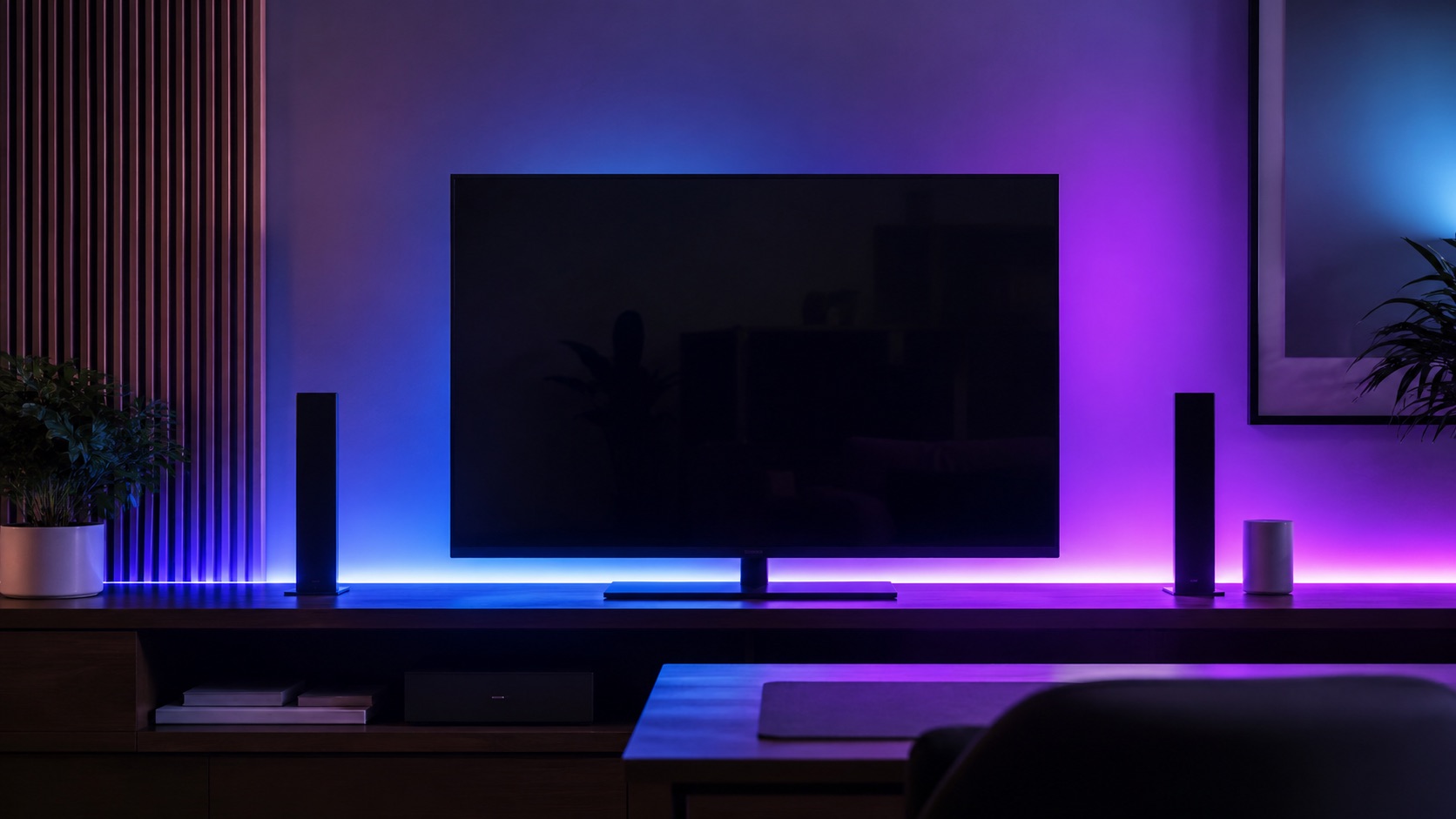
Best Smart Bulbs 2026 (Philips Hue vs LIFX vs Nanoleaf vs Govee)
Best Smart Bulbs 2026 (Philips Hue vs LIFX vs Nanoleaf vs Govee)
Smart bulbs remain one of the easiest entry points into home automation. Screw one in, connect to an app, and you’ve got voice control, scheduling, color ambiance, and energy monitoring at your fingertips. But with dozens of brands flooding the market, which smart bulb actually deserves a spot in your home?
This research-based comparison evaluates Philips Hue, LIFX, Nanoleaf Essentials, Govee and WiZ by protocol, published specifications, ecosystem design and buying trade-offs. Pieter’s long-term experience is with WiZ; the other rankings are not presented as side-by-side hands-on tests. Whether you’re building out a complete smart home ecosystem or just want one lamp to change colors, this guide explains what to prioritize.
Quick Comparison Table
| Bulb | Price | Hub Required | Protocol | Lumens | Colors | App Quality |
|---|---|---|---|---|---|---|
| Philips Hue A19 Color | $50 | Yes (Bridge $60) | Zigbee | 1,100 | 16M | ★★★★★ |
| LIFX A19 Color | $45 | No | WiFi | 1,600 | 16M | ★★★★☆ |
| Nanoleaf Essentials A19 | $20 | No | Matter/Thread | 1,100 | 16M | ★★★★☆ |
| Govee Smart Bulb | $12 | No | WiFi | 800 | 16M | ★★★☆☆ |
| WiZ A19 Color | $10 | No | WiFi/Matter | 800 | 16M | ★★★☆☆ |
Philips Hue A19 Color — The Premium Choice
Price: $50 per bulb + $60 Hue Bridge (one-time)
Philips Hue has been the gold standard in smart lighting since 2012, and the 2026 lineup continues that legacy. The A19 Color produces rich, saturated hues across 16 million colors with exceptional consistency — reds are deep, blues are vivid, and whites range from warm candlelight (2000K) to energizing daylight (6500K).
The Hue ecosystem runs on Zigbee, meaning bulbs communicate through the Hue Bridge rather than clogging your WiFi network. This architectural decision pays dividends in large homes: you can run 50+ Hue devices without any network congestion. The bridge also enables features like the Hue Entertainment API for screen-synced lighting and power-on behavior customization.
Pros:
- Unmatched ecosystem with 100+ compatible accessories
- Zigbee mesh means zero WiFi congestion
- Best-in-class app with room grouping, scenes, and automations
- 50,000-hour rated lifespan
- Friends of Hue switches (battery-free, kinetic energy)
Cons:
- Most expensive per-bulb cost
- Requires $60 bridge to get started
- 1,100 lumens is adequate but not class-leading
LIFX A19 Color — Brightest, No Hub
Price: $45 per bulb, no hub required
LIFX takes a fundamentally different approach: each bulb connects directly to your WiFi network. No bridge, no gateway, no extra hardware. At 1,600 lumens, the LIFX A19 is the brightest color bulb on this list — noticeably more powerful than the Hue equivalent.
Color quality is excellent, with particularly strong warm whites and saturated purples. The LIFX app includes advanced features like Day & Dusk scheduling (gradual color temperature shifts throughout the day) and Effects (candle flicker, morph, pulse).
The tradeoff? Each bulb occupies a spot on your router. With 5–10 bulbs, this isn’t a problem. With 30+, you’ll want a robust mesh WiFi system or you’ll start seeing connectivity issues.
Pros:
- Brightest smart bulb at 1,600 lumens
- No hub or bridge needed
- Excellent color saturation
- Day & Dusk scheduling built-in
- Works with HomeKit, Alexa, Google Home
Cons:
- Each bulb uses a WiFi connection
- Doesn’t scale well past 20+ bulbs
- Slightly less reliable than Zigbee-based systems
Nanoleaf Essentials A19 — Best Value
Price: $20 per bulb, no hub required
Nanoleaf Essentials represents the sweet spot in smart lighting for 2026. At $20 per bulb with Matter and Thread support built-in, these bulbs offer the best combination of future-proofing and affordability. Thread creates a mesh network between compatible devices, giving you Zigbee-like reliability without a proprietary bridge.
Color output is vibrant and the 1,100 lumens matches Philips Hue. The Nanoleaf app is clean and responsive, with circadian lighting schedules and group controls. Since these are Matter-compatible devices, they work natively with Apple Home, Google Home, Samsung SmartThings, and Amazon Alexa without needing brand-specific integrations.
Pros:
- Excellent value at $20/bulb
- Matter/Thread for universal compatibility
- Thread mesh networking (no WiFi congestion)
- Circadian rhythm scheduling
- Works across all major platforms natively
Cons:
- Smaller ecosystem than Hue
- No equivalent to Hue Entertainment sync
- Thread border router needed for best performance (many HomePods/Nest devices include one)
Govee Smart Bulb — Budget King
Price: $12 per bulb, no hub required
Govee has carved out the budget smart lighting category and made it their own. At $12 per bulb, you can outfit an entire apartment for less than the cost of two Philips Hue bulbs. The trade-offs are real but manageable: slightly less color accuracy, 800 lumens instead of 1,100+, and a busier app with lots of upselling.
That said, the Govee app offers music sync, DIY scene creation, and scheduling — features that cost $50+ in other ecosystems. For bedrooms, accent lighting, or starter smart homes, Govee delivers remarkable value.
Pros:
- Unbeatable price at $12/bulb
- Music sync and dynamic scenes included
- No hub required
- Decent Alexa/Google integration
Cons:
- Lower brightness (800 lumens)
- Colors less accurate at extremes
- WiFi-only, can congest networks
- App pushes in-app purchases
WiZ A19 Color — Ultra Budget with Matter
Price: $10 per bulb, no hub required
WiZ, owned by Signify (the same parent company as Philips Hue), offers the cheapest Matter-compatible color bulb on the market. At $10, the WiZ A19 punches well above its weight with SpaceSense (motion detection via WiFi signals), rhythm schedules, and native Matter support.
The 800-lumen output matches Govee, and color quality is comparable. Where WiZ edges ahead is in the Matter integration — your smart home hub can control these directly without cloud dependency.
Pros:
- Cheapest Matter-compatible color bulb
- SpaceSense motion detection (no extra hardware)
- Owned by Signify (Hue parent company)
- Local control via Matter
Cons:
- 800 lumens is dim for primary lighting
- App is functional but basic
- Limited accessories and ecosystem
Hub vs. No-Hub: Does It Matter?
The hub question is the biggest architectural decision in smart lighting. Here’s when each approach makes sense:
Choose a hub-based system (Philips Hue) when:
- You plan to install 20+ smart bulbs
- You want rock-solid reliability with zero WiFi interference
- You need advanced features like entertainment sync
- You have the budget and want a premium experience
Choose hub-free bulbs (LIFX, Govee, WiZ) when:
- You’re starting small (1–10 bulbs)
- You want zero upfront infrastructure cost
- You prefer simplicity over advanced features
- Budget is a primary concern
Choose Thread/Matter (Nanoleaf) when:
- You want the best of both worlds
- You already have Thread border routers (HomePod Mini, Nest Hub)
- Future-proofing matters to you
- You want universal platform compatibility
For people starting a smart home from scratch, a lower-cost Matter-compatible bulb can be a sensible trial. Choose Hue earlier when switches, accessories and a dedicated Zigbee lighting ecosystem matter more than the lowest bulb price.
Who Should Buy What?
- Choose Hue for a large, lighting-first system where accessories and mature controls justify the bridge and higher price.
- Choose WiZ or another value option for a few lamps when price and simple app control matter most. Pieter’s owned WiZ setup provides the first-party context in this guide.
- Choose a Thread/Matter option only after confirming that your controller and border-router setup support the exact features you need.
- Skip smart bulbs where family members routinely cut power at the wall; a smart switch may be the more reliable design.
Prices and bundles change frequently. Treat the figures below as comparison points and confirm the current price, regional model and required hub before purchase.
When Is the Hue Premium Justified?
Philips Hue costs 2–4x more than alternatives. That premium buys you:
- Reliability — Zigbee mesh networking means bulbs respond instantly, every time
- Ecosystem depth — Outdoor lights, light strips, Play Bars, Sync Box, motion sensors, and 100+ Friends of Hue accessories
- Longevity — 50,000-hour rated lifespan (13+ years at 10 hrs/day)
- Entertainment — Screen-synced lighting for gaming and movies
- Resale value — Hue products retain value on the secondary market
If you’re building a whole-home lighting system and want it to work flawlessly for a decade, Hue is worth the investment. For accent lighting or budget-friendly devices under $50, the alternatives deliver 80% of the experience at 20% of the cost.
See how we compare products for our full methodology.
FAQ
Are smart bulbs worth it in 2026?
Yes. Smart bulbs save energy through scheduling and dimming, add convenience with voice control, and create ambiance with millions of color options. With Matter-compatible bulbs starting at $10, the entry cost is negligible. The key is matching the right bulb to your needs — you don’t need $50 Hue bulbs in a closet.
Do smart bulbs use a lot of electricity when turned off?
Smart bulbs consume 0.3–0.5 watts in standby mode (they need power to stay connected). This amounts to roughly $0.50–$1.00 per bulb per year. The energy savings from automated scheduling and dimming far outweigh this phantom load for most users.
Can I mix different smart bulb brands in one home?
Absolutely. Matter makes cross-brand compatibility seamless in 2026. You can run Philips Hue in your living room, Nanoleaf in bedrooms, and Govee for accent lighting — all controlled from a single app through your smart home ecosystem. The key is choosing a hub or platform that supports all your brands.
Do smart bulbs work with regular light switches?
Yes, but with a caveat: if someone flips the physical switch off, the smart bulb loses power and becomes unresponsive. Solutions include smart switch covers, “smart switch” remotes (like Hue dimmer switches), or replacing your toggle switches with smart switches that keep power flowing to the bulb at all times.
Which smart bulbs have the best color accuracy?
Philips Hue leads in color accuracy, particularly in the green and deep red spectrum. LIFX is a close second with the widest color gamut. Nanoleaf Essentials is excellent for the price. Budget options like Govee and WiZ struggle with certain shades — pastels can appear washed out, and some reds lean orange.
Our Verdict
For most homes in 2026, Nanoleaf Essentials offers the best overall value with Matter/Thread support at just $20 per bulb. Power users who want the deepest ecosystem should invest in Philips Hue. Budget buyers can’t beat Govee at $12, and brightness seekers should look at LIFX with its 1,600-lumen output.
The smart bulb market has matured significantly. Every option on this list works well — the question is which trade-offs matter most to you: price, brightness, ecosystem, or future-proofing.