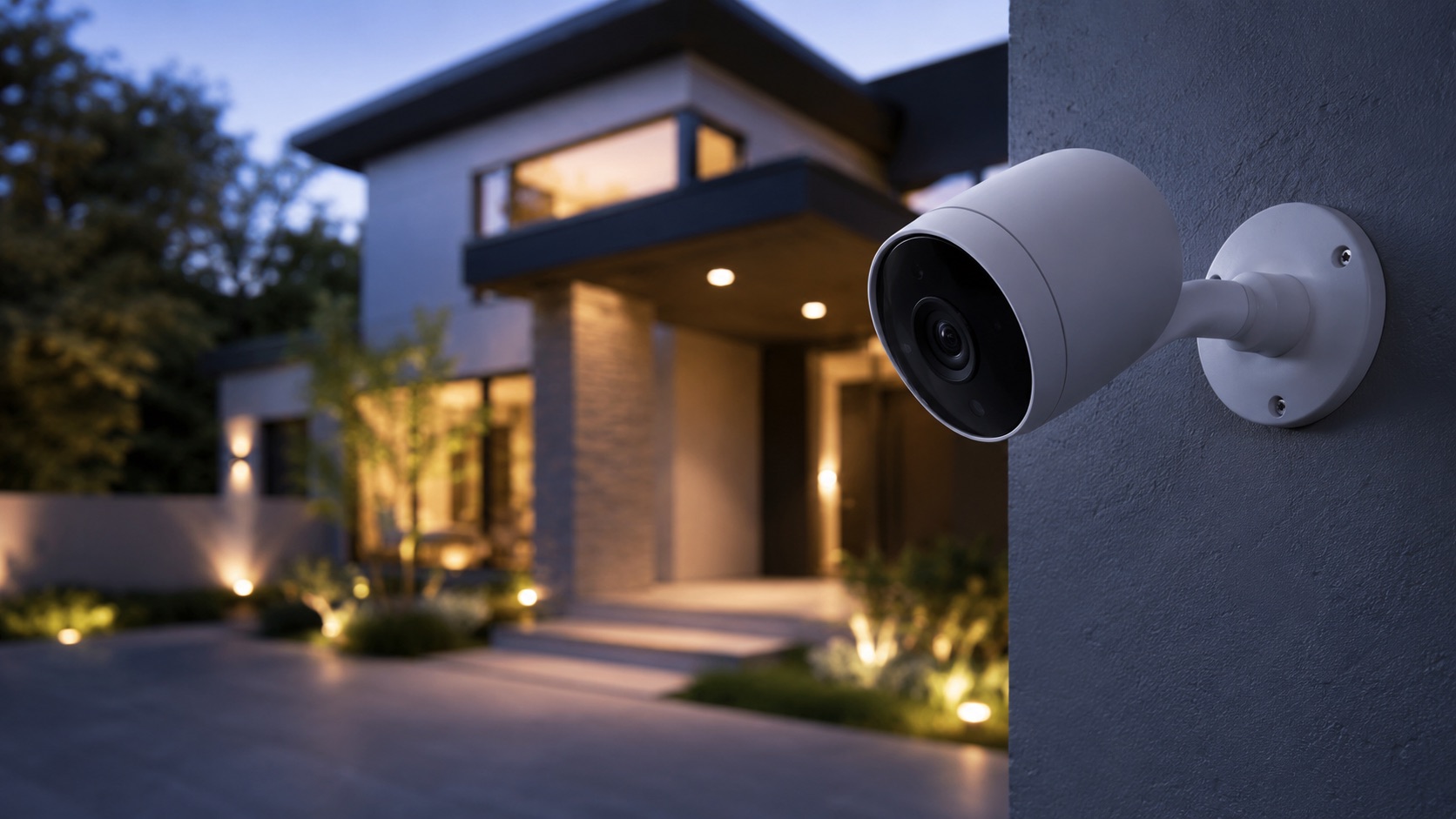
Ring Cameras Home Assistant Integration: What Works and What Doesn't (2026)
Ring cameras and doorbells are among the most popular home security devices in the world. Millions of people have a Ring doorbell or outdoor camera. But if you run Home Assistant, you probably want to pull those Ring devices into your local smart home setup. The good news: it is possible. The bad news: there are real limitations you should know about.
In this guide, I will cover exactly how to integrate Ring cameras with Home Assistant, what features work, what does not, and how to build useful automations around your Ring devices.
What the Ring Integration Offers
The Home Assistant Ring integration (based on the ring-doorbell Python library) connects your Ring account to Home Assistant. Here is what you get:
What works:
- Motion detection events (binary sensors)
- Doorbell press events
- Snapshots and video recording history
- Siren control (on supported devices)
- Light control (for floodlight models)
- Battery level monitoring
- WiFi signal strength
- Last motion/ding timestamps
What does NOT work (or works poorly):
- Live view streaming (limited and high latency)
- Two-way audio through Home Assistant
- Real-time continuous RTSP streams (Ring does not provide native RTSP)
- Local-only operation (requires Ring cloud)
This is fundamentally different from cameras like Tapo or Reolink that offer local RTSP streams. Ring is a cloud-first system, and the Home Assistant integration works within those constraints.
Prerequisites
Before setting up the integration, you need:
- A Ring account with your cameras already set up in the Ring app
- Home Assistant running (any installation method)
- Ring Protect subscription (optional but recommended for video history access)
- Two-factor authentication enabled on your Ring account (required)
Step-by-Step Setup
Step 1: Add the Ring Integration
- Go to Settings > Devices & Services
- Click Add Integration
- Search for “Ring”
- Click to add it
Step 2: Authenticate
- Enter your Ring account email and password
- You will be prompted for your 2FA code (sent to your phone or email)
- Enter the code to complete authentication
- Home Assistant will create a token for future access
Step 3: Configure Entities
After authentication, Home Assistant will discover all Ring devices on your account. Each device will create several entities:
- Binary sensors: Motion detected, ding (doorbell press)
- Camera entity: For snapshots
- Sensors: Battery level, WiFi signal, volume
- Switches/lights: Siren, floodlight (where applicable)
Step 4: Set Update Intervals
The Ring integration polls the Ring cloud for updates. By default, this happens every few minutes. You can configure scan intervals, but be careful not to poll too aggressively as Ring may throttle your account.
Working with Live View
Live view through Home Assistant is technically possible but comes with significant caveats:
- High latency: Expect 3 to 10 seconds of delay
- Not continuous: The stream times out and needs to be re-initiated
- Resource intensive: Requires transcoding on your Home Assistant hardware
- No audio: One-way video only in most cases
To enable live view:
- Add a camera card to your dashboard
- The camera entity from the Ring integration will show the last snapshot by default
- Clicking into it will attempt to start a live stream
For most users, the live view through Home Assistant is a supplement to the Ring app, not a replacement. If live local streaming is critical for you, consider cameras with native RTSP support instead.
Building Motion Automations
Where the Ring integration really shines is motion-triggered automations. Since motion events are exposed as binary sensors, you can build powerful automations around them.
Notification with Snapshot
automation:
  - alias: "Ring doorbell motion notification"
    trigger:
      - platform: state
        entity_id: binary_sensor.front_door_motion
        to: "on"
    action:
      - service: camera.snapshot
        target:
          entity_id: camera.front_door
        data:
          filename: "/config/www/ring_snapshot.jpg"
      - delay: "00:00:02"
      - service: notify.mobile_app
        data:
          title: "Motion at Front Door"
          message: "Someone is at the front door"
          data:
            image: "/local/ring_snapshot.jpg"
Motion-Triggered Floodlight
automation:
  - alias: "Driveway motion floodlight"
    trigger:
      - platform: state
        entity_id: binary_sensor.driveway_cam_motion
        to: "on"
    condition:
      - condition: sun
        after: sunset
    action:
      - service: light.turn_on
        target:
          entity_id: light.driveway_floodlight
      - delay: "00:05:00"
      - service: light.turn_off
        target:
          entity_id: light.driveway_floodlight
Doorbell Press Actions
automation:
  - alias: "Doorbell pressed notification"
    trigger:
      - platform: state
        entity_id: binary_sensor.front_door_ding
        to: "on"
    action:
      - service: notify.mobile_app
        data:
          title: "Doorbell"
          message: "Someone rang the doorbell"
      - service: media_player.play_media
        target:
          entity_id: media_player.living_room_speaker
        data:
          media_content_id: "media-source://media_source/local/doorbell_chime.mp3"
          media_content_type: "audio/mpeg"
Combined Security Automation
automation:
  - alias: "Night security mode"
    trigger:
      - platform: state
        entity_id: binary_sensor.backyard_cam_motion
        to: "on"
    condition:
      - condition: time
        after: "23:00:00"
        before: "06:00:00"
      - condition: state
        entity_id: alarm_control_panel.home_alarm
        state: "armed_night"
    action:
      - service: notify.mobile_app
        data:
          title: "SECURITY ALERT"
          message: "Motion detected in backyard during night mode"
          data:
            priority: high
      - service: switch.turn_on
        target:
          entity_id: switch.backyard_cam_siren
Ring Integration Limitations in Detail
Let me be honest about what the Ring integration cannot do. This matters when deciding if Ring fits your Home Assistant setup.
Cloud Dependency
Every interaction with your Ring devices goes through Amazon/Ring servers. If Ring has an outage, or if your internet goes down, you lose access through Home Assistant. This is a fundamental architectural limitation. If you want a fully local smart home, Ring is not the right choice for cameras.
API Rate Limiting
Ring monitors API usage. If you poll too frequently, you may get temporarily blocked. The integration handles this gracefully, but it means you will not get instant notifications the way the native Ring app does.
No Local Processing
Unlike cameras with RTSP streams, you cannot run local AI detection (like Frigate) on Ring camera feeds. The video processing happens in Ring’s cloud, and you only get the resulting motion events.
Subscription Requirements
While the integration works without a Ring Protect plan, you lose access to video history and some features. The full experience requires the paid subscription.
Ring vs. Local Camera Options
If you are building a Home Assistant-centric smart home, it is worth considering whether Ring is the right fit. Here is how it compares:
| Feature | Ring | Reolink (PoE) | Tapo |
|---|---|---|---|
| Local RTSP | No | Yes | Yes |
| Cloud Dependency | Yes | Optional | Optional |
| Frigate Compatible | No | Yes | Yes |
| Live View in HA | Limited | Full | Full |
| Motion in HA | Yes | Yes | Yes |
| 2-Way Audio in HA | No | Limited | No |
| Price | $$$ + subscription | $$ one-time | $ one-time |
If you already own Ring devices and want to incorporate them into Home Assistant, this integration is valuable. But if you are starting fresh and prioritize local control, check out our Reolink cameras setup guide or Tapo cameras guide for better local integration options.
Tips for Getting the Most Out of Ring in Home Assistant
Use Ring for What It Does Best
Accept that Ring works best as a cloud camera system with Home Assistant as a complementary automation layer. Use the Ring app for live viewing and two-way communication, and use Home Assistant for:
- Integrating motion events into broader automations
- Controlling floodlights based on multiple conditions
- Combining Ring alerts with other sensor data
- Creating unified security dashboards
Combine with Local Sensors
Pair your Ring cameras with local Zigbee sensors for faster, more reliable triggering. Use Aqara motion sensors indoors and let Ring handle outdoor detection.
Battery Monitoring
If you have battery-powered Ring cameras or doorbells, set up alerts for low battery:
automation:
  - alias: "Ring battery low"
    trigger:
      - platform: numeric_state
        entity_id: sensor.front_door_battery
        below: 20
    action:
      - service: notify.mobile_app
        data:
          message: "Ring doorbell battery is at {{ states('sensor.front_door_battery') }}%"
Dashboard Setup
Create a security dashboard that combines Ring camera snapshots with other sensors. Include camera snapshot cards for each Ring device, motion history graphs, door and window sensor states from your smart locks, and alarm panel controls.
Should You Keep Ring with Home Assistant?
This depends on your priorities:
Keep Ring if:
- You already own Ring devices and they work well for you
- You primarily use the Ring app and want HA as supplementary
- You value Ring’s neighborhood features and professional monitoring option
- Outdoor camera placement makes wired alternatives difficult
Consider switching if:
- You want full local control without cloud dependency
- You want to run Frigate or other local AI detection
- You find the subscription model frustrating
- You want low-latency live view in your HA dashboard
For a broader look at choosing the right smart home ecosystem, our comparison guide can help you decide. And if you are wondering what the Home Assistant community thinks about this topic, check out our Reddit Home Assistant deep dive.
FAQ
Does the Ring integration require a subscription?
No, the basic integration works without Ring Protect. You get motion events, doorbell presses, and device control. However, accessing video history and some advanced features requires the subscription.
Can I view Ring live streams in Home Assistant?
Technically yes, but with significant limitations. The stream has high latency (3 to 10 seconds), times out frequently, and does not include reliable audio. It is not suitable as a primary viewing method.
Will Ring work if my internet goes down?
No. Ring cameras are fully cloud-dependent. Without internet, they cannot record, send notifications, or communicate with Home Assistant. Local recording is not available.
Can I use Frigate with Ring cameras?
No. Frigate requires an RTSP or RTMP stream, which Ring does not provide. If local AI-powered detection is important to you, consider Reolink or other cameras with RTSP support.
How often does the Ring integration update in Home Assistant?
The integration polls the Ring API every few minutes by default. Motion events typically appear in Home Assistant within 30 seconds to 2 minutes of occurring. This is not real-time like the Ring app push notifications.
Is the Ring integration safe to use? Will Ring ban my account?
The integration uses the same API as the Ring app. As long as you do not set extremely aggressive polling intervals, your account should be fine. Thousands of Home Assistant users run this integration without issues.
Final Thoughts
The Ring integration for Home Assistant is a useful bridge between the Ring ecosystem and your local smart home. It will not replace the Ring app for live viewing or two-way communication, but it excels at bringing Ring motion events into your automation workflows. Set realistic expectations, combine Ring with local sensors for the best results, and you will have a solid security layer integrated into your broader smart home system.