Best Smart Home for Deaf and Hard of Hearing (2026)
Best Smart Home for Deaf and Hard of Hearing (2026)
Smart home technology has become a genuine game-changer for deaf and hard of hearing individuals. Where traditional home safety and communication relied almost entirely on audible alerts — doorbells ringing, smoke alarms beeping, timers going off — modern smart home devices replace sound with visual alerts, vibration patterns, and flash-based notifications that ensure you never miss a critical event.
This guide covers the best smart home devices specifically designed or adaptable for deaf and hard of hearing users in 2026, from visual doorbell systems to vibrating alarm clocks and strobe-equipped smoke detectors.
Visual Doorbell Alerts
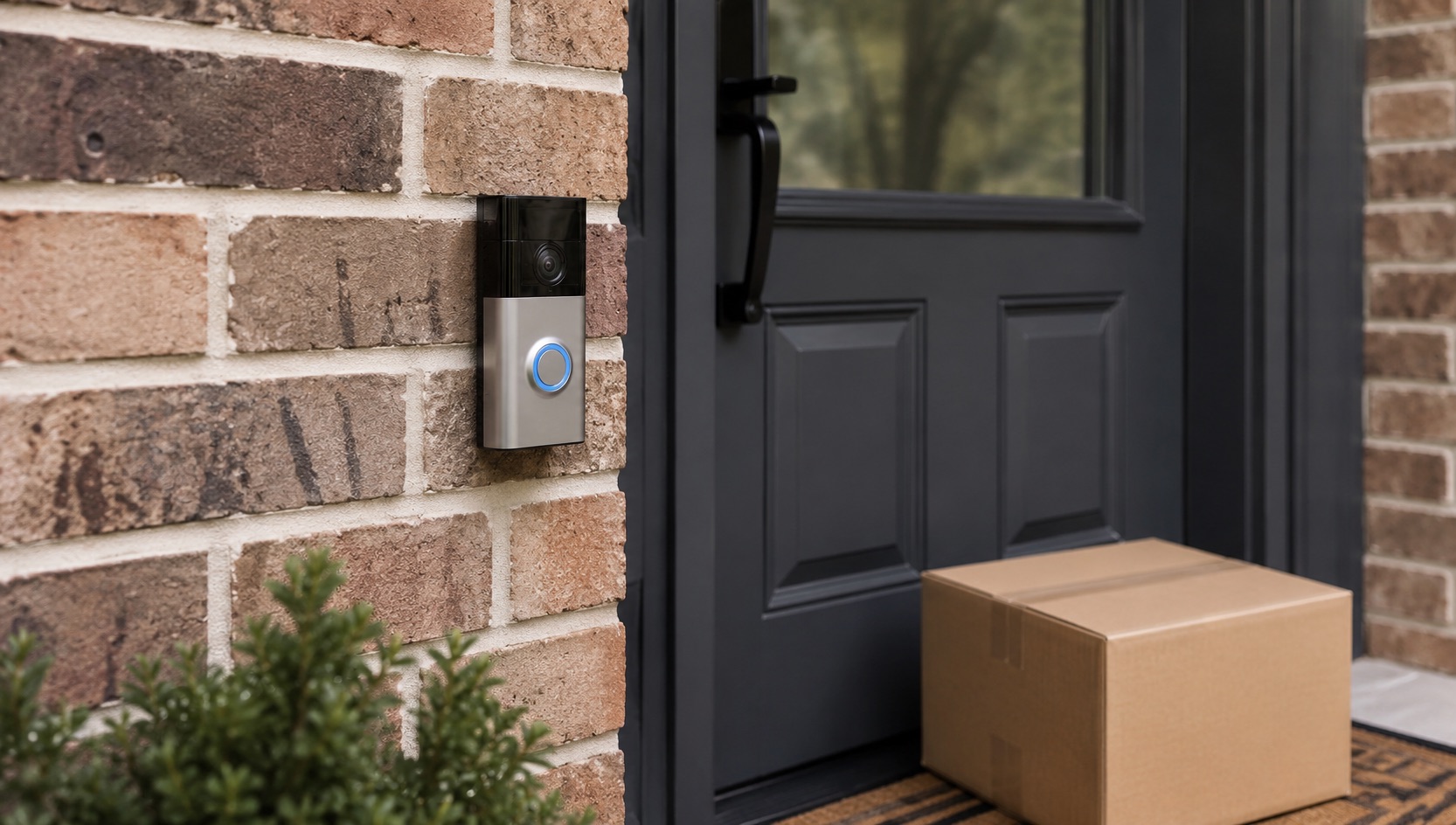
Missing a visitor at the door is one of the most common frustrations for deaf and hard of hearing homeowners. Traditional doorbells rely entirely on sound, making them useless if you can’t hear the chime. Modern video doorbells solve this problem completely.
Ring Video Doorbell 4 with Chime Pro — Ring’s ecosystem excels here because the Chime Pro unit can be placed in any room and paired with smart bulbs that flash when someone presses the doorbell. Combined with phone notifications featuring video preview, you get visual confirmation on multiple devices simultaneously.
Google Nest Doorbell (Wired) — Nest integrates with Google Home displays throughout your house. When someone presses the doorbell, every Nest Hub and Nest Hub Max in your home shows the camera feed automatically. Place displays in your kitchen, living room, and bedroom for whole-home visual coverage.
Arlo Video Doorbell — Arlo sends rich notifications with a snapshot directly to your phone and pairs with Arlo’s base station that can trigger smart home routines including flashing lights throughout the house.
For the best visual doorbell setups, check our detailed video doorbell comparison guide.
Vibrating Alarms and Wake-Up Systems
Waking up reliably without hearing an alarm is critical. Several purpose-built devices serve this need:
Sonic Alert Sonic Bomb Alarm Clock ($45) — The gold standard for deaf-friendly alarm clocks. Includes a powerful bed-shaker that slides under your pillow or mattress and a 113dB alarm for those with residual hearing. Flashing LED lights provide additional visual alert.
iLuv SmartShaker 3 ($30) — A compact, wireless vibrating device that pairs with your phone via Bluetooth. Place it under your pillow and set alarms through the companion app. Works with both iOS and Android.
Philips Hue Wake-Up Routine — Program your smart bulbs to gradually brighten over 15–30 minutes before your alarm time, simulating sunrise. Combined with a vibrating device, this creates a multi-sensory wake-up experience. Learn more about smart bulb capabilities in our smart bulbs guide.
Apple Watch / Fitbit Vibration Alarms — Wearable vibration alarms are the most reliable personal option since they’re physically attached to you. Apple Watch haptic alarms are strong enough to wake most sleepers.
Smart Smoke Detectors With Strobe
Smoke and CO detection is a life-safety issue where visual alerts aren’t optional — they’re essential.
First Alert Onelink Safe & Sound ($150) — Smart smoke and CO detector with built-in Alexa. When triggered, it sends push notifications to your phone and can activate smart home routines that flash every connected light in your house red.
Google Nest Protect ($120) — Sends phone alerts before the full alarm triggers (Heads Up warning). Integrates with Google Home to announce on displays and flash connected lights. The night-light pathfinding feature provides useful ambient light too.
Kidde Smart Smoke + CO Detector ($100) — Works with both Alexa and Google Home. Trigger automations that flash lights, send text notifications to multiple family members, and display alerts on smart displays.
Strobe Light Add-Ons — For existing smoke detectors, products like the Sonic Alert HomeAware system can detect any smoke alarm sound and trigger connected strobe lights and bed shakers throughout the house.
Setting Up Whole-Home Smoke Alert Automations
The key is redundancy. Set up automations so that when any smoke detector triggers:
- All smart bulbs flash red rapidly
- Push notifications go to your phone and your emergency contacts’ phones
- Smart displays show a full-screen red warning
- Bed shaker activates (critical at night)
- Smart watch vibrates with emergency haptic pattern
Video Doorbells and Visual Communication
Beyond basic doorbell alerts, video doorbells enable two-way visual communication that’s especially valuable for deaf users.
Two-Way Video — Devices like Ring and Nest doorbells support two-way video. Visitors can see you and you can see them, enabling sign language communication or simple gestures and lip reading.
Quick Replies and Pre-Set Messages — Ring and Arlo offer pre-recorded audio messages you can send to visitors with one tap: “Please leave the package,” “I’ll be there in a minute,” or “Please come around to the back.” No voice required.
Smart Lock Integration — Pair your video doorbell with a smart lock to let trusted visitors in remotely without needing to communicate verbally. See who’s there on camera, tap to unlock.
For a full ecosystem approach to managing these devices together, see our smart home ecosystem guide.
Captioned Displays and Visual Notification Hubs
Smart displays serve as central visual notification hubs that aggregate alerts from every connected device.
Amazon Echo Show 15 — Wall-mountable display that shows doorbell feeds, delivery notifications, calendar alerts, and smart home status at a glance. Alexa Captions displays real-time transcription of announcements.
Google Nest Hub Max — Shows camera feeds, flashes for alerts, and displays captions for any Google Assistant announcement. Live Caption transcribes audio from any media playing on the device.
Samsung SmartThings Station — Acts as a visual notification center for your SmartThings ecosystem, displaying color-coded alerts for different event types.
Dedicated Alerting Systems — The Sonic Alert HomeAware system provides a central hub with visual indicators for doorbell, phone, smoke alarm, baby cry, and alarm clock — each with a distinct flash pattern.
Comparison Table
| Device | Type | Price | Visual Alert | Vibration | Smart Home Integration |
|---|---|---|---|---|---|
| Ring Video Doorbell 4 | Doorbell | $200 | Flash via smart bulbs | Phone haptic | Alexa, IFTTT |
| Google Nest Doorbell | Doorbell | $180 | Display pop-up | Phone haptic | Google Home |
| Sonic Alert Sonic Bomb | Alarm Clock | $45 | Flashing LEDs | Bed shaker (powerful) | None (standalone) |
| iLuv SmartShaker 3 | Alarm | $30 | None | Pillow shaker | Bluetooth app |
| First Alert Onelink | Smoke/CO | $150 | Smart bulb flash routine | Phone haptic | Alexa |
| Google Nest Protect | Smoke/CO | $120 | Display + light flash | Phone haptic | Google Home |
| Echo Show 15 | Display Hub | $280 | On-screen captions | None | Alexa ecosystem |
| Nest Hub Max | Display Hub | $230 | On-screen captions | None | Google ecosystem |
| Philips Hue Bulbs | Lighting | $50/bulb | Flash patterns | None | Alexa, Google, HomeKit |
Building Your Complete Accessible Smart Home
Start with safety devices (smoke detectors with strobe capability), then add a video doorbell for communication, and finally build out your visual notification network with smart displays and connected bulbs.
Budget Setup (~$300): Sonic Alert Sonic Bomb + one video doorbell + smart smoke detector with phone alerts.
Mid-Range Setup (~$700): Video doorbell + 2 smart displays + smart smoke detectors + Philips Hue bulbs in main rooms for flash alerts.
Complete Setup (~$1,500): Full Philips Hue lighting throughout home + video doorbell + multiple smart displays + interconnected smoke/CO detectors + bed shaker system + smart lock + smart watch for wearable alerts.
Related Guides
- Best Smart Home for Elderly and Accessibility (2026)
- Best Smart Home for Elderly Fall Prevention (2026)
Frequently Asked Questions
1. Can I make my existing smoke detector work with visual alerts?
Yes. Systems like the Sonic Alert HomeAware use a sound-detecting sensor that attaches near your existing smoke alarm. When it detects the alarm sound, it triggers connected strobe lights and bed shakers. No need to replace your existing hardwired detectors.
2. Do video doorbells work with hearing aids that have Bluetooth?
Yes. Most modern video doorbells send audio through your phone, which can stream directly to Bluetooth-enabled hearing aids. Ring, Nest, and Arlo all support this through their mobile apps.
3. What’s the best smart home ecosystem for deaf accessibility?
Google Home and Alexa are both strong. Google Home edges ahead slightly because Nest Hub displays automatically show doorbell video without needing to ask, and Google’s Live Caption feature transcribes audio across the system. Alexa’s advantage is the wider range of compatible strobe and vibration devices.
4. Will smart bulb flash alerts work if I’m in another room?
Only if you have smart bulbs in that room too. For whole-home coverage, install at least one smart bulb in every room you frequently use — especially the bedroom, kitchen, and home office. Smart displays in multiple rooms provide backup visual coverage.
5. Are there smart home devices that detect sounds and convert them to visual alerts?
Yes. Sound-recognition devices like the Amazon Echo family have built-in sound detection that identifies doorbells, smoke alarms, dogs barking, and babies crying, then sends push notifications. The HomeAware system is purpose-built for this, detecting common household sounds and triggering corresponding visual alerts for each.