Best Smart Home for Wheelchair Users (2026)
Why Smart Home Technology Is a Game-Changer for Wheelchair Users
For wheelchair users, smart home technology isn’t about convenience — it’s about independence. Traditional homes are designed around standing-height interfaces: light switches at 48 inches, thermostats on walls, blinds with pull cords, and door handles that require standing reach and grip strength. Smart home technology eliminates these barriers by shifting control to voice commands, smartphone apps, and automated routines that require zero physical interaction with wall-mounted controls.
In 2026, the smart home ecosystem has matured to the point where a wheelchair user can control every aspect of their home environment without ever reaching for a switch, turning a knob, or pulling a cord. This guide covers the best devices and configurations to create a fully accessible, voice-first smart home.
Voice-First Control: The Foundation of Wheelchair Accessibility
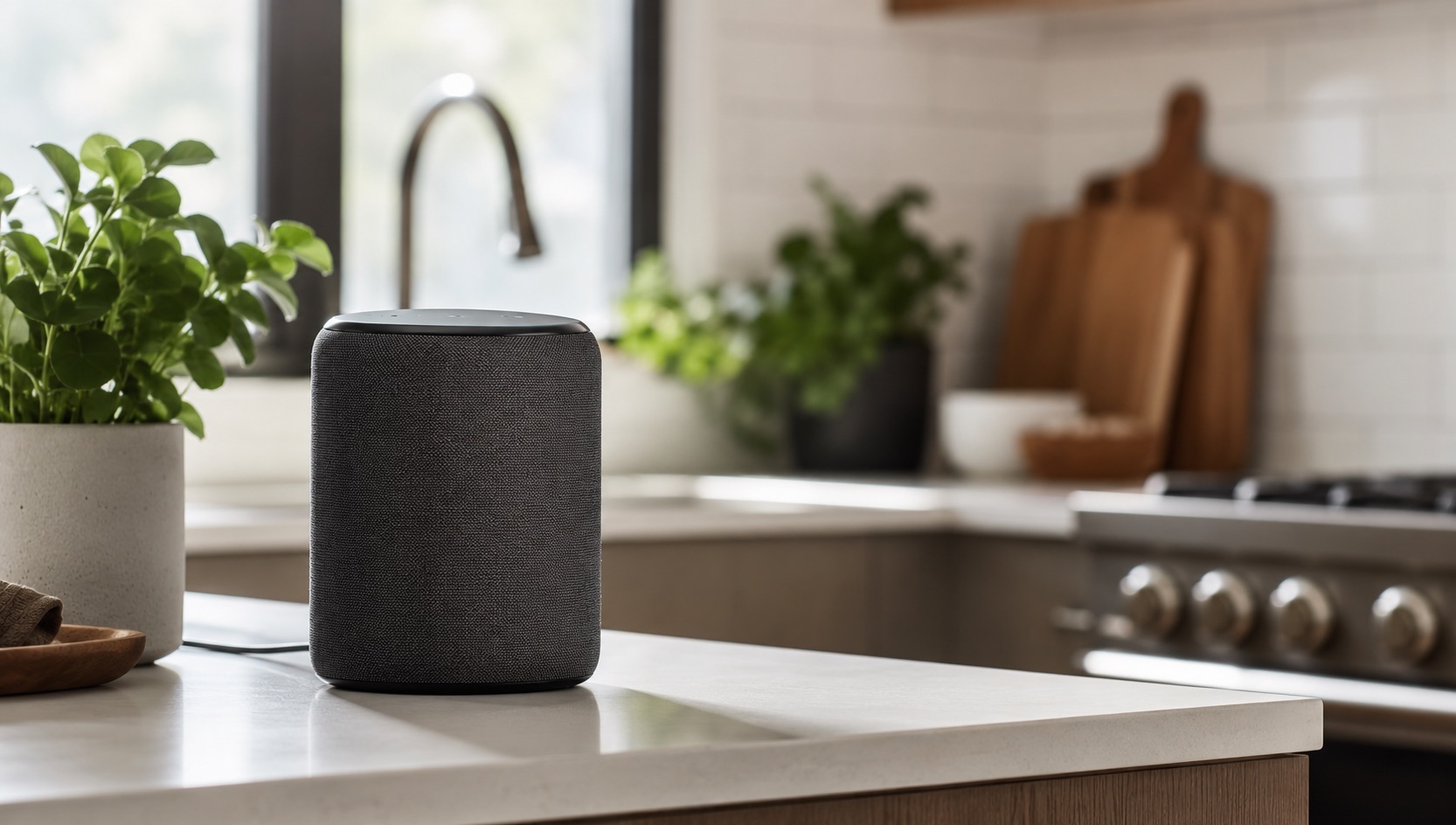
The single most important principle for a wheelchair-accessible smart home is voice-first control. Every device you install should respond to voice commands as the primary interaction method — not as an afterthought.
Best Voice Assistants for Accessibility
Amazon Echo Show 10 (3rd Gen) — The rotating screen follows you around the room, making it visible from any position. Mount it at wheelchair height (around 36–40 inches) on an adjustable arm for optimal visibility.
Apple HomePod (2nd Gen) — If you’re in the Apple ecosystem, Siri handles complex multi-step commands well. The “Hey Siri, I’m home” routine can trigger door unlocking, lights on, blinds open, and thermostat adjustment in one phrase.
Google Nest Hub Max — Excellent at understanding natural language and controlling a wide range of third-party devices. The large 10-inch display is readable from across a room.
The key is placing smart displays and speakers in every room so voice control is always within earshot. Budget approximately $50–150 per room for voice endpoints.
Automated Door Openers: Moving Freely Through Your Home
Interior doors are one of the biggest daily obstacles for wheelchair users. Opening a standard door while seated requires reaching, gripping, and maneuvering simultaneously. Smart door openers solve this completely.
Top Picks for Automated Interior Doors
Autoslide Automatic Door System ($250–400 per door) — Retrofits onto existing sliding doors with motion sensor activation. Say “Open bedroom door” or configure motion detection to open automatically as you approach.
Open Sesame Door Opener ($3,000–4,000) — Designed specifically for wheelchair users. Works with standard hinged doors, opens and closes via remote control, voice command, or phone app. Expensive but life-changing for main living area doors.
SwitchBot Curtain/Blind Motor with Door Adapter ($100–150) — Budget option for lightweight interior doors. Pair with a SwitchBot Hub for voice control through Alexa or Google.
For exterior doors, smart locks with auto-unlock features eliminate the need to reach a deadbolt entirely.
Adjustable-Height Smart Displays
Standard smart display placement assumes a standing user. For wheelchair users, wall-mounted displays should sit at 36–42 inches from the floor — seated eye level.
Use adjustable monitor arms (like the Ergotron LX, $100–180) to mount Echo Show or Nest Hub devices at the perfect height, with the option to pull closer when needed. This also keeps countertops and tables clear for wheelchair access.
Smart Blinds: No More Reaching for Cords
Pull cords and wand-tilt mechanisms are nearly impossible to use from a seated position, especially for windows above furniture. Smart blinds eliminate this entirely.
IKEA FYRTUR/KADRILJ ($130–200 per window) — Affordable, voice-controlled roller blinds. Work with Apple HomeKit, Google Home, and Alexa.
Lutron Serena Shades ($350–700 per window) — Premium option with quiet motors and excellent ecosystem integration. Schedule them to open with sunrise and close at sunset automatically.
SwitchBot Blind Tilt ($50 per window) — Retrofit existing horizontal blinds with voice and app control. The most budget-friendly option.
Set automations so blinds open in the morning and close at night without any interaction needed.
Automated Lighting: Motion + Voice
Reaching light switches is a daily frustration for wheelchair users, especially switches placed at standard 48-inch height. Smart lighting solves this two ways: motion sensing and voice control.
Motion-activated approach: Install occupancy sensors in every room. Lights turn on when you enter, off when you leave. No voice command needed, no switch required.
Voice backup: For times you want specific lighting levels or scenes, voice commands handle everything. “Set living room to 50%” or “Turn off all lights” works from anywhere.
Recommended Setup
- Philips Hue or LIFX bulbs in existing fixtures ($15–60 per bulb)
- Lutron Caseta switches for overhead lighting — these include a Pico remote you can mount at any height ($60 per switch)
- Aqara motion sensors for automatic activation ($15–25 each)
The Pico remote deserves special mention: it’s a wireless button that mounts anywhere with adhesive. Place it at wheelchair-armrest height beside doorways for tactile backup control.
Smart Locks: Accessible Entry and Exit
Traditional deadbolts and door handles require reaching, gripping, and turning — all challenging from a wheelchair. Smart locks offer multiple accessible alternatives.
Phone-based auto-unlock: Locks like the Level Lock+ and August Wi-Fi Smart Lock detect your phone approaching and unlock automatically. Zero interaction required.
Keypad at accessible height: If you prefer a keypad, the Schlage Encode Plus can be installed lower on the door (check local codes, typically 34–48 inches is acceptable). Its touchscreen keypad works from any angle.
Voice unlock: Most smart locks support voice-unlocked routines (with PIN confirmation for security). Say “Alexa, unlock front door” and confirm your code verbally.
For more detail on lock options, see our best smart locks guide.
Robot Vacuum: Floor Clearance Is Critical
For wheelchair users, floor cleanliness isn’t just aesthetic — debris, pet hair, and dust directly affect wheel traction and rolling resistance. A robot vacuum running daily keeps floors clear and safe.
Roborock S8 MaxV Ultra ($1,400) — Our top pick for wheelchair-accessible homes. It has obstacle avoidance that prevents it from getting stuck on wheelchair footrests or ramps, self-empties, and self-mops.
Roomba Combo j9+ ($1,100) — Excellent for homes with mixed flooring (common with wheelchair ramps and transitions). Auto-lifts mop pad on carpet.
Schedule your robot vacuum to run during sleeping hours or when you’re out, ensuring floors are always clear when you need them. Check out our complete robot vacuum roundup for more options at every price point.
Smart Thermostat: Climate Control Without Reaching the Wall
Wall-mounted thermostats at standard height are unreachable for many wheelchair users. A smart thermostat moves all control to voice and phone.
Ecobee Premium ($250) — Comes with room sensors so temperature is measured at your level, not at thermostat height. Fully voice-controllable and learns your schedule.
Google Nest Learning Thermostat ($250) — Auto-adjusts based on presence detection. The app provides full control without touching the device.
Both integrate with the best smart home ecosystems and respond to voice commands for quick temperature changes.
Complete Accessibility Comparison Table
| Accessibility Need | Best Device | Price | How It Helps | Voice Controlled |
|---|---|---|---|---|
| Voice-first control hub | Amazon Echo Show 10 | $250 | Rotating screen, room-filling mic array | ✅ Yes |
| Automated interior doors | Open Sesame Door Opener | $3,000–4,000 | Opens/closes hinged doors remotely | ✅ Yes |
| Reachable smart display | Echo Show 8 + Ergotron Arm | $280 | Adjustable height, pull-close positioning | ✅ Yes |
| Smart blinds (budget) | SwitchBot Blind Tilt | $50 | Retrofits existing blinds, app + voice | ✅ Yes |
| Smart blinds (premium) | Lutron Serena Shades | $350–700 | Whisper-quiet motor, scheduled automation | ✅ Yes |
| Automated lighting | Philips Hue + Aqara Motion | $40–80/room | Motion-activated, no switch needed | ✅ Yes |
| Smart lock (auto-unlock) | Level Lock+ | $330 | Phone proximity auto-unlock, invisible design | ✅ Yes |
| Smart lock (keypad) | Schlage Encode Plus | $300 | Touchscreen at any height, HomeKit | ✅ Yes |
| Robot vacuum | Roborock S8 MaxV Ultra | $1,400 | Daily auto-clean, obstacle avoidance | ✅ Yes |
| Smart thermostat | Ecobee Premium | $250 | Room sensors, voice control, phone app | ✅ Yes |
| Smart plugs (appliances) | TP-Link Kasa Smart Plug | $15 | Voice-control any plugged device | ✅ Yes |
| Emergency alert | Amazon Echo + Alexa Guard | $0 (with Echo) | “Alexa, call for help” hands-free emergency | ✅ Yes |
Building Your Accessible Smart Home: Priority Order
If you’re starting from scratch, here’s the recommended installation order:
- Voice assistant in every room — This is your control interface for everything else
- Smart locks — Independent entry and exit is paramount
- Smart lighting with motion sensors — Eliminates the most frequent daily frustration
- Smart blinds — Huge quality-of-life improvement
- Robot vacuum — Maintains floor clearance automatically
- Automated door openers — Start with the most-used interior doors
- Smart thermostat — Climate comfort without reaching walls
Integration Tips for Maximum Independence
The best accessible smart home runs on automations, not individual commands. Set up routines like:
- “Good morning” — Blinds open, lights to 70%, thermostat to daytime temp, coffee maker on
- “I’m leaving” — All lights off, thermostat to eco, doors lock, robot vacuum starts
- “I’m home” — Front door unlocks, hallway lights on, thermostat to comfort
- “Goodnight” — All lights off, doors lock, blinds close, thermostat to sleep temp
These routines mean you speak one phrase and your entire home responds. That’s true hands-free living.
For a complete overview of smart home platforms and how they handle accessibility, read our best smart home hub guide.
Budget Considerations
A basic accessible smart home setup (voice assistant + smart lights + smart lock + smart thermostat) starts around $500–800. A comprehensive setup with automated doors, smart blinds throughout, and robot vacuum runs $5,000–10,000 depending on home size.
Many items qualify for assistive technology tax deductions or insurance reimbursement if prescribed by an occupational therapist. Check with your provider about coverage for automated door openers and smart home control systems.
Related Guides
- Best Smart Home for Elderly Fall Prevention (2026)
Frequently Asked Questions
Can smart home devices be controlled entirely by voice without any physical interaction?
Yes. In 2026, virtually every major smart home device category supports full voice control through Alexa, Google Assistant, or Siri. Lights, locks, thermostats, blinds, robot vacuums, and even door openers respond to voice commands. The key is choosing devices within the same ecosystem so one voice command can trigger multiple actions simultaneously through routines.
What is the best voice assistant for wheelchair users who need reliable hands-free control?
Amazon Alexa (via Echo devices) currently offers the widest device compatibility and most robust routine system for accessibility. It supports multi-step routines triggered by a single phrase, works with more third-party devices than competitors, and offers Alexa Guard for emergency alerts. Google Assistant is a close second with better natural language understanding, making it easier to give conversational commands.
How much does it cost to make a home fully wheelchair-accessible with smart technology?
A basic voice-controlled setup costs $500–800 (smart speaker in each room, smart lights, smart lock, smart thermostat). A comprehensive setup with automated door openers on 4–6 interior doors, smart blinds throughout, and a robot vacuum runs $5,000–10,000. The most expensive single items are automated door openers ($3,000–4,000 each for hinged doors), but budget alternatives exist for sliding doors ($250–400).
Do smart door openers work with standard interior doors, or do I need special doors?
Both options exist. The Open Sesame system works with standard hinged doors without modification — it mounts on the existing door and frame. The Autoslide system is designed for sliding doors (pocket doors, barn doors). For the best results with hinged doors in main living areas, the Open Sesame or similar powered hinge systems are the most reliable, though they require professional installation.
Can I set up emergency alerts through my smart home if I fall or need help?
Yes. Amazon Alexa supports hands-free calling and emergency contacts — say “Alexa, call for help” or “Alexa, call 911” from any Echo device in your home. You can also set up a panic routine (“Alexa, emergency”) that turns all lights on, unlocks the front door for first responders, and sends alerts to emergency contacts. Apple HomeKit and Google Home offer similar emergency calling features through their respective smart displays.