Best Smart Home Devices for Landlords (2026)
Best Smart Home Devices for Landlords (2026)
Managing rental properties is an exercise in preventing expensive problems you can’t see happening. A slow leak under a sink costs $20 to fix when caught immediately and $15,000 when discovered six weeks later during a routine inspection. A tenant moves out and you’re paying a locksmith $150 to rekey the locks — for the fourth time this year. The furnace fails in January while a unit is vacant between tenants, pipes freeze, and the resulting water damage exceeds your annual rental income from the property.
Smart home devices for landlords aren’t about luxury or convenience — they’re about property protection, operational efficiency, and risk mitigation. The ROI calculation is fundamentally different from a homeowner’s: these devices pay for themselves by preventing a single incident that would otherwise cost 10–50x their purchase price.
A basic smart landlord setup runs $300–$500 per unit. One prevented water damage claim, one avoided locksmith visit, one caught HVAC failure — and the devices have paid for themselves multiple times over. The question isn’t whether you can afford to install them. It’s whether you can afford not to.
Smart Locks — End the Rekeying Cycle
Every tenant turnover means changing locks. With traditional deadbolts, that’s a locksmith visit ($100–$200) or buying and installing new lock hardware yourself. Multiply by the number of units and annual turnover rate, and you’re spending $500–$2,000/year just on lock changes.
Smart locks with programmable codes eliminate this entirely. Tenant moves out → delete their code → create new code for next tenant. Total time: 30 seconds. Total cost: $0.
Schlage Encode Plus ($280)
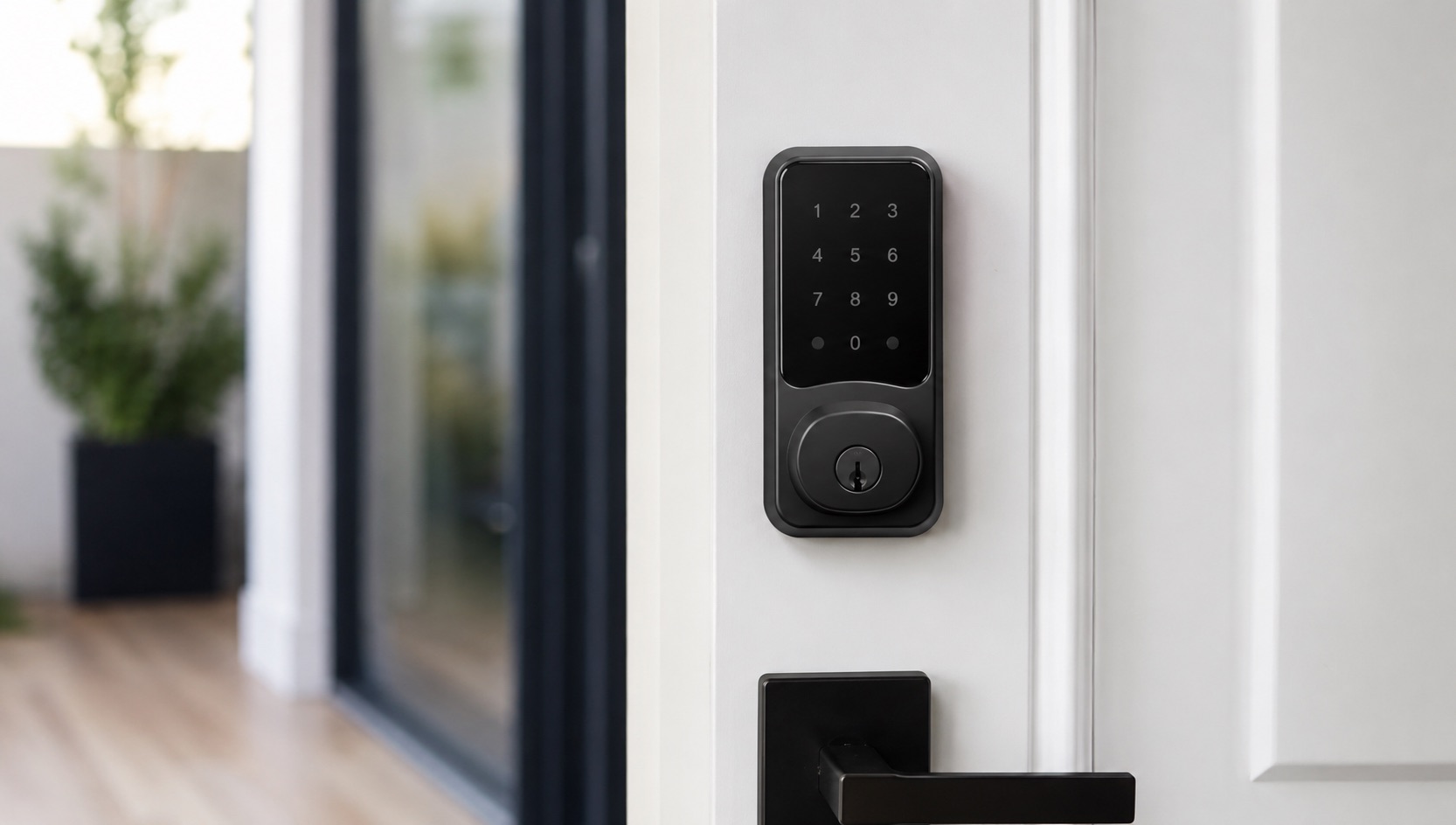
The Schlage Encode Plus is the landlord’s best friend. Built-in Wi-Fi (no hub required), programmable codes, remote management via the Schlage Home app, and rock-solid construction from a brand that’s been making locks since 1920.
Landlord-specific features:
- Create unique codes for each tenant (up to 100 codes)
- Create temporary codes for maintenance workers, cleaners, or inspectors
- Scheduling: codes that only work during specific time windows (maintenance worker’s code works Tuesday 9 AM–5 PM only)
- Access history log: see exactly when each code was used
- Remote lock/unlock via app (let in a plumber when you’re not on-site)
- Auto-lock after 30 seconds (tenant can never accidentally leave unit unlocked)
Turnover workflow: Tenant gives notice → on move-out day, delete their code remotely → create new temporary code for cleaning crew → after cleaning, create permanent code for new tenant and send via secure message. You never visit the property just to deal with keys.
Pros: No hub needed, ANSI Grade 1 security, Apple Home Key support, excellent build quality Cons: Expensive, requires 4 AA batteries (8–12 month life), Wi-Fi can be less reliable than Zigbee/Z-Wave in some environments
Yale Assure Lock 2 ($200–$250)
The Yale Assure Lock 2 offers similar code management at a slightly lower price point. Available with Wi-Fi, Zigbee, Z-Wave, or Matter modules — you choose the connectivity that matches your setup.
Landlord advantage: The touchscreen keypad version looks sleek and modern, which tenants appreciate. It supports up to 250 unique codes with the Yale Access app providing full remote management, access history, and scheduled codes.
Pros: Multiple connectivity options, sleek design tenants like, strong code management, DoorSense sensor tells you if door is actually closed Cons: Touchscreen can be less responsive in extreme cold, module sold separately for some connectivity options
Key Considerations for Landlords
Legal note: Check local laws regarding smart lock requirements. Some jurisdictions require a physical key override or require landlords to provide a physical key to tenants. Both the Schlage Encode and Yale Assure include physical key backup.
Tenant acceptance: Most tenants prefer codes over keys — no key to lose, no lockout situations, and the modern aesthetic signals a well-maintained property. Mention the smart lock in listings as a feature.
Battery management: Set up low-battery notifications so you can replace batteries proactively. A dead battery means a locked-out tenant calling you at 11 PM. Both locks give weeks of warning before dying, and the physical key backup prevents true lockouts.
Water Leak Sensors — Prevent Catastrophic Damage
Water damage is the most expensive routine risk in rental properties. A single undetected leak can cause $10,000–$50,000 in damage: destroyed flooring, mold remediation, structural repair, and displaced tenants requiring temporary housing at your expense. A $30 sensor provides instant notification the moment water appears where it shouldn’t.
Aqara Water Leak Sensor ($20)
Small, inexpensive, and reliable. Place one under every sink, behind every toilet, next to the water heater, under the washing machine, and near the HVAC condensate drain. When water touches the sensor’s probes, you get an immediate phone notification.
Placement priority for rental units:
- Under kitchen sink (most common slow leak source)
- Behind toilet (wax ring failures, supply line leaks)
- Under bathroom sink
- Next to water heater (tank failures are catastrophic)
- Under washing machine hookup
- Near HVAC condensate line
Cost to protect an entire unit: 6 sensors × $20 = $120. One prevented leak event = $5,000–$50,000 saved.
Pros: Very inexpensive, Zigbee reliable, 2-year battery life, tiny form factor tenants won’t notice Cons: Requires Aqara hub ($30) or compatible Zigbee hub, no built-in siren
Flo by Moen Smart Water Monitor ($500 + installation)
For higher-value properties or multi-unit buildings, the Flo by Moen installs on the main water line and monitors flow patterns continuously. It detects leaks by identifying unusual flow (water running at 2 AM when no one is using it), and can automatically shut off the water main to prevent damage.
Landlord benefit: Automatic water shutoff means a pipe burst at 2 AM in a vacant unit doesn’t flood for hours before someone notices. The system catches it in minutes and shuts the water off.
Pros: Catches leaks anywhere in the system (not just where sensors are placed), automatic shutoff, daily health tests Cons: Expensive, requires professional installation, monthly data plan available but optional
The Vacant Unit Problem
Vacant units between tenants are the highest-risk period for water damage. No one’s there to notice the drip under the sink that becomes a flood. Leak sensors are most critical during vacancy — check them during move-out inspection and confirm they’re functioning before leaving the unit empty.
Smart Thermostat — Prevent Freeze/Overheat and Manage Energy
A smart thermostat in a rental property serves three landlord-specific functions: preventing pipe-freezing temperatures during vacancy, preventing energy waste, and providing remote temperature monitoring.
Vacancy Mode: Freeze and Overheat Prevention
The #1 landlord use case: when a unit is vacant between tenants in winter, the thermostat must maintain minimum 55°F to prevent pipe freezing. A smart thermostat lets you set this remotely, monitor it remotely, and get alerts if the temperature drops below your threshold (which could indicate furnace failure).
Critical alert: If indoor temperature drops below 58°F, immediate phone notification. This gives you time to respond before pipes freeze at 32°F — several hours of buffer to get a repair technician or emergency heating on site.
Energy Management During Tenancy
If utilities are landlord-paid (common in multi-unit buildings), a smart thermostat prevents tenants from running 80°F heat with windows open. Set maximum and minimum bounds, and lock the physical thermostat to a reasonable range.
Google Nest Thermostat ($130) or ecobee Enhanced ($190)
Both offer remote management, temperature alerts, and scheduling. The Nest is simpler and cheaper. The ecobee offers more granular control and remote sensor support for monitoring multiple rooms.
Landlord-specific setup:
- Vacancy mode: 55°F heat minimum, 90°F cooling maximum (just enough to prevent damage)
- Low-temperature alert: notification if indoor temp drops below 58°F
- Energy reports: see usage patterns across your properties
- Remote scheduling: adjust settings without visiting the property
For landlord-paid utilities: Set comfortable but reasonable bounds (68°F–74°F heat, 72°F–78°F cooling) and disable tenant’s ability to override beyond those limits.
Pros: Remote monitoring, energy savings, freeze prevention alerts, scheduling Cons: Requires compatible HVAC (most modern systems work), C-wire may be needed
Smart Smoke and CO Detectors — Instant Alerts, Not Just Alarms
Traditional smoke detectors beep in an empty unit and no one hears them. A smart smoke detector sends a notification directly to your phone — critical during vacancy and for remote landlords.
Google Nest Protect ($120)
The Nest Protect combines smoke and carbon monoxide detection with phone notifications, self-testing, and a pathlight feature. When it detects smoke or CO, you get an immediate phone alert with the specific unit and room location.
Landlord benefit: You know about smoke/CO events in real-time, even in vacant units. A furnace producing CO in an empty unit during winter doesn’t go unnoticed until the next tenant smells it (or worse). You get the alert, send a technician, and fix the problem before it becomes a liability.
Pros: Phone alerts from anywhere, specific location identification, self-tests nightly, 10-year lifespan Cons: Expensive per unit, non-replaceable battery (entire unit replacement at end of life), no professional monitoring
First Alert Onelink ($100)
A more affordable alternative with similar phone notification functionality. Works with Apple HomeKit and Alexa for integration into broader smart home setups.
Pros: Cheaper than Nest Protect, HomeKit compatible, replaceable batteries Cons: Less refined app experience, no pathlight feature
Vacancy Mode Automation — The Unoccupied Property Checklist
When a unit sits empty between tenants, multiple systems need specific configurations:
Automated Vacancy Setup
Create a single automation or routine triggered when you mark a property as “vacant” in your app:
- Thermostat: Switch to vacancy mode (55°F minimum heat, 90°F max cooling)
- Smart lock: Delete previous tenant codes, enable temporary access codes only
- Lights: Random schedule (different lights on/off at varied times to simulate occupancy — deters break-ins)
- Water leak sensors: Confirm active, increase notification priority
- Smoke/CO detectors: Confirm connected, test cycle
Occupied Mode Restoration
When a new tenant moves in, reverse the process:
- Thermostat to normal range
- New tenant code activated
- Random lighting schedule disabled
- All sensors confirmed operational
This single toggle between “vacant” and “occupied” reduces the cognitive load of managing multiple properties.
Landlord Smart Home Comparison Table
| Device | Price | Landlord Benefit | Tenant Impact | ROI |
|---|---|---|---|---|
| Schlage Encode Plus | $280 | Eliminates rekeying, remote code management, access logging | Keyless entry, no lockout risk | Pays for itself in 2–3 turnovers vs. locksmith fees |
| Yale Assure Lock 2 | $200 | Same as above, more connectivity options, lower price | Modern aesthetic, code convenience | Pays for itself in 1–2 turnovers |
| Aqara Water Leak Sensor (×6) | $120 | Instant leak notification, prevents $10K+ damage | Invisible, non-intrusive | Single prevented leak = 40–400x ROI |
| Flo by Moen | $500 | Automatic water shutoff, whole-system monitoring | No impact (installed on main line) | One burst pipe prevented = 10–100x ROI |
| Google Nest Thermostat | $130 | Freeze prevention, remote temp monitoring, energy management | Modern thermostat, learning schedule | Prevents one freeze event = 50–100x ROI |
| Nest Protect (per unit) | $120 | Real-time smoke/CO alerts, vacant unit monitoring | Self-testing, night pathlight | Liability prevention, insurance compliance |
| Smart plugs (vacancy lighting) | $30 | Simulated occupancy deters break-ins during vacancy | None during tenancy | Prevents one break-in = 100x+ ROI |
| Aqara Hub (for leak sensors) | $30 | Enables all Zigbee sensors across the unit | Not visible or intrusive | Required for Aqara sensors |
Minimum landlord setup per unit: Smart lock + 4 leak sensors + Aqara hub + smart thermostat = $400–$460 Full protection setup: All of the above + smoke detector + vacancy lighting = $600–$700
Managing Multiple Properties
If you manage multiple rental units, centralized management becomes essential:
Smart lock platforms: Both Schlage and Yale offer multi-property management in their apps. You see all units in one dashboard, manage codes across properties, and track access history.
Notification management: Set up notification categories so a water leak gets highest priority (immediate call/text) while routine events (door locked at 11 PM) are logged silently. You don’t want 50 “front door locked” notifications per day across 10 units.
Maintenance coordination: Temporary codes for recurring maintenance workers mean your plumber always has a working code during business hours, no key handoff needed. Schedule codes to expire monthly and renew them — this prevents dismissed workers from retaining access.
Legal and Ethical Considerations
Smart devices in rental properties raise legitimate privacy questions:
Locks: Access logging is generally acceptable — you’re logging access to your property. Be transparent with tenants about the smart lock and its features. Include smart lock information in the lease.
Interior cameras: Never install cameras inside rental units. This is illegal in most jurisdictions and a massive privacy violation. Exterior cameras (doorbell cameras) should be disclosed and tenant-controllable.
Monitoring: Leak sensors and smoke detectors are property protection — no privacy concern. Temperature monitoring is likewise about property protection. Be transparent about what’s installed and why.
Thermostat control: If you restrict thermostat range, disclose this in the lease. Tenants have a right to reasonable comfort. “Reasonable” varies by jurisdiction but generally means 68°F+ in winter and 78°F or below in summer.
For smart lock options and detailed comparisons, check our complete smart locks guide. For thermostat details, see our smart thermostat roundup. And if you want security monitoring without monthly subscriptions eating into your margins, read our guide on security systems without monthly fees.
Related Guides
- Best Smart Home Devices for Your Living Room (2026)
- Best Smart Home for Mental Health Support (2026)
FAQ
Can I install smart locks without tenant permission?
This depends on jurisdiction, but generally: you own the property and can install whatever hardware you choose. However, most landlord-tenant laws require advance notice (24–48 hours) before entering to install devices, and you must provide the tenant with access (their code or a physical key). Include smart lock provisions in your lease going forward to avoid ambiguity. The physical key override on both the Schlage and Yale satisfies requirements to provide a physical key.
Do smart devices increase rental property value or justify higher rent?
Yes, modestly. Smart locks and smart thermostats are the two devices most likely to be listed as amenities and attract quality tenants. The premium varies by market, but $25–$50/month additional rent for a “smart apartment” package (smart lock + thermostat + USB outlets) is common in competitive markets. More importantly, they attract tenants who value modern amenities and tend to be responsible with the property.
What happens when a smart lock’s battery dies?
Both the Schlage Encode and Yale Assure provide low-battery warnings weeks before dying (via app notification). If the battery does fully die: both locks have a physical key override that works regardless of battery state. The Yale Assure also has a 9V battery emergency terminal — touch a 9V battery to the external contacts for enough temporary power to enter a code. Set a recurring reminder to replace batteries every 8 months proactively.
Should I give tenants access to the smart home app?
Generally, no. Landlords should maintain administrative control. For the smart lock: give tenants their code and instructions for the physical keypad. They don’t need app access. For the thermostat: tenants should have physical control within your set bounds, but you retain remote administrative access. The exception is the smoke detector — tenants should be able to silence false alarms (burnt toast) without calling you. Provide instructions for manual silence but retain the monitoring notifications on your own device.
Are smart home devices in rentals tax deductible?
In most jurisdictions, smart home devices installed in rental properties are deductible as either a repair expense (if replacing existing hardware, like a lock) or depreciable property improvement (if adding new functionality, like leak sensors). Consult your tax advisor for specifics, but smart devices costing under $2,500 per unit generally qualify for immediate expensing under safe harbor rules in the US. Keep receipts and document the business purpose (property protection, operational efficiency).
The Landlord’s Priority Order
If you’re outfitting a rental property for the first time, install in this order:
- Smart lock — immediate operational benefit from day one, every turnover
- Water leak sensors — highest potential damage prevention per dollar spent
- Smart thermostat — freeze protection + energy savings compound over time
- Smart smoke/CO detector — liability protection and remote awareness
- Vacancy mode lighting — low cost, meaningful security during empty periods
Each device pays for itself independently. Together, they transform property management from reactive (responding to expensive problems after they happen) to proactive (preventing problems or catching them at the $20 stage instead of the $20,000 stage).