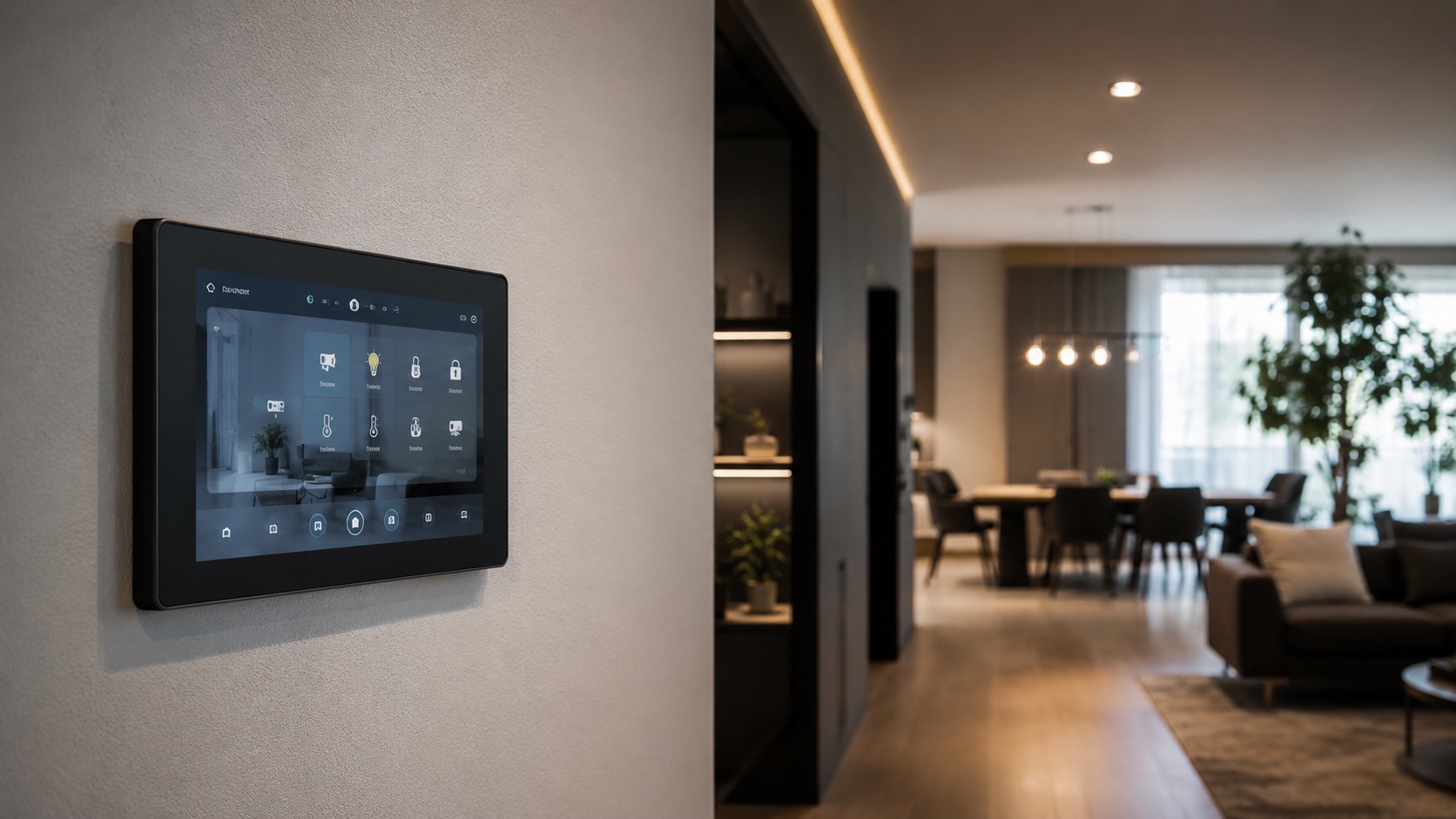
Best Smart Home Devices for New Homeowners (2026)
Best Smart Home Devices for New Homeowners (2026)
You just got the keys to your new home. Congratulations. Now comes the question every new homeowner faces: where do I start with smart home tech? The options are overwhelming, and the temptation to buy everything at once is real. Don’t do that.
This guide gives you a priority-ordered roadmap. We start with devices that protect your home and family, then layer in comfort and convenience. Each tier builds on the previous one, so you can stop at any point and have a functional, well-prioritized setup.
If you want a broader overview of platforms and ecosystems before buying anything, read our how to start a smart home from scratch guide first.
The Priority Framework
Here’s the logic: install what protects before what entertains. A smart smoke detector could save your life. A smart light strip behind your TV cannot. Prioritize accordingly.
| Priority | Category | Recommended Device | Price | Why First |
|---|---|---|---|---|
| 1st | Smoke Detection | Google Nest Protect | $130/each | Life safety — detects smoke and CO |
| 1st | Water Leak Sensor | Govee WiFi Water Sensor | $15/each | Prevents thousands in water damage |
| 1st | Doorbell Camera | Google Nest Doorbell (wired) | $180 | See who’s at your door, record packages |
| 2nd | Smart Lock | Yale Assure Lock 2 | $250 | Keyless entry plus remote access |
| 2nd | Alarm System | Ring Alarm Pro | $300 (kit) | 24/7 monitoring plus intrusion detection |
| 3rd | Thermostat | Ecobee Premium | $250 | Saves 20%+ on heating/cooling bills |
| 3rd | Smart Lighting | Philips Hue Starter Kit | $130 | Ambiance plus automated schedules |
| 4th | Robot Vacuum | Roborock Q Revo | $500 | Hands-free floor cleaning |
| 4th | Smart Plugs | TP-Link Kasa KP125 | $15/each | Automate lamps, fans, appliances |
| 5th | Motorized Blinds | IKEA FYRTUR | $130/blind | Automated light control plus privacy |
| 5th | Sprinkler Controller | Rachio 3 | $200 | Weather-smart watering saves water |
Priority 1: Safety First ($200-$400 total)
These devices protect your home from fires, water damage, and package theft. Install them before anything else—ideally during your first week in the house.
Smart Smoke and CO Detectors — Google Nest Protect ($130 each)
The Nest Protect detects both smoke and carbon monoxide. It speaks to tell you what’s wrong and where, tests itself automatically, and sends alerts to your phone when you’re away. The pathlight feature illuminates hallways at night when it detects motion.
How many: One per floor minimum, plus one in each bedroom. Budget 3-5 units for a typical home ($390-$650).
Why it’s Priority 1: A standard smoke detector beeps. The Nest Protect calls your phone at work, tells you which room has smoke, and lets you silence false alarms from the app. That 30-second head start matters.
Water Leak Sensors — Govee WiFi Water Sensor ($15 each)
Water damage is the most common homeowner insurance claim. A $15 sensor placed under your water heater, washing machine, kitchen sink, and bathroom fixtures can alert you the moment a leak starts—before it becomes a $10,000 problem.
How many: 4-6 sensors at minimum. Place them under water heaters, washing machines, dishwashers, bathroom sinks, and near sump pumps. Total cost: $60-$90.
Doorbell Camera — Google Nest Doorbell Wired ($180)
See who’s at your door from anywhere. Record package deliveries, talk to visitors, and get alerts when someone approaches. The wired version never runs out of battery and provides 24/7 recording.
Why it’s Priority 1: New homes are targets for package theft, and you’re still learning your neighborhood. A doorbell camera gives you visibility you don’t have yet.
Tier 1 total: $430-$920 depending on home size.
Priority 2: Security ($300-$550 total)
Once your home detects dangers, lock it down. Smart locks eliminate the “did I lock the door?” anxiety, and an alarm system adds professional monitoring.
Smart Lock — Yale Assure Lock 2 ($250)
The Yale Assure Lock 2 supports Apple Home Key, auto-lock, and keypad entry. Never hide a key under the mat again. Grant temporary codes to dog walkers or cleaners, and get alerts when your kids arrive home.
Why Priority 2: You have a new house with keys that previous owners, realtors, and contractors all copied. A smart lock means you control exactly who has access—without rekeying.
For more lock options, see our best smart locks roundup.
Alarm System — Ring Alarm Pro ($300 for 8-piece kit)
The Ring Alarm Pro kit includes a base station (which doubles as a WiFi 6 router), contact sensors, a motion detector, and a keypad. Optional professional monitoring runs $20/month. The base station has cellular backup, so it works even if your internet goes down.
Alternative: If you prefer no subscription, the Aqara system with a local hub offers similar hardware monitoring without monthly fees, though it lacks professional dispatch.
Tier 2 total: $550. This drops to $300 if you skip the lock (not recommended).
Priority 3: Comfort ($250-$400 total)
With safety and security handled, it’s time to make your house comfortable and start saving on energy bills.
Smart Thermostat — Ecobee Premium ($250)
A smart thermostat pays for itself within the first year through energy savings. The Ecobee Premium learns your schedule, uses room sensors to balance temperatures, and adjusts when you leave home. Expect 20-26% savings on heating and cooling.
Why Priority 3: Energy savings are substantial but not urgent. Safety devices protect lives; the thermostat protects your wallet. Still, the ROI makes this the smartest investment after security.
Read our full best smart thermostat guide for alternatives.
Smart Lighting — Philips Hue Starter Kit ($130)
Start with a Hue Bridge + 3-4 bulbs for your most-used rooms. Set schedules to simulate presence when you’re traveling, wake up gently with sunrise simulation, and adjust color temperature throughout the day. Expand room by room over time.
Why now: Lighting automations work with your security setup—lights turning on at random times deters burglars. Plus, proper evening lighting (warm, dimmed) improves sleep quality in your new home.
More options in our best smart bulbs guide.
Tier 3 total: $380. The thermostat alone saves $200+/year, so this tier pays for itself.
Priority 4: Convenience ($200-$550 total)
Your home is safe, secure, and comfortable. Now let’s save you time on daily chores.
Robot Vacuum — Roborock Q Revo ($500)
A robot vacuum with mop function handles daily floor maintenance. Set it to clean while you’re at work and come home to clean floors. The dock auto-empties dust and washes mop pads.
Why Priority 4: It’s genuinely life-changing for daily cleanliness, but it doesn’t protect your home or save energy. It saves time—which matters, but less than safety.
See our best robot vacuum roundup for more options at different price points.
Smart Plugs — TP-Link Kasa KP125 ($15 each)
Smart plugs automate anything with a standard outlet: lamps, fans, coffee makers, holiday lights. They also monitor energy usage so you can identify power-hungry appliances. Buy 4-6 to start.
Tier 4 total: $560 with robot vacuum, or $60-$90 with just smart plugs.
Priority 5: Nice-to-Have ($200-$500 total)
These are luxury upgrades that make a noticeable quality-of-life difference but aren’t essential.
Motorized Blinds — IKEA FYRTUR ($130 per blind)
Motorized blinds open with your morning alarm and close at sunset. They integrate with HomeKit, Google Home, and Alexa. Start with bedroom blinds for the biggest impact on your sleep schedule.
Where to start: Master bedroom first. Budget 2-3 blinds initially ($260-$390).
Smart Sprinkler Controller — Rachio 3 ($200)
If you have a lawn or garden, the Rachio 3 adjusts watering based on weather forecasts, soil type, and plant needs. It typically reduces water usage by 30-50% compared to timer-based systems.
Why last: It’s seasonal and only applies if you have irrigation. Huge water savings, but not a universal need.
Tier 5 total: $200-$590 depending on selections.
Total Budget Breakdown
| Approach | Tiers Covered | Total Cost | Monthly Recurring |
|---|---|---|---|
| Essential Only | 1-2 | $980-$1,470 | $0-$20 (monitoring) |
| Comfortable Home | 1-3 | $1,360-$1,870 | $0-$20 |
| Full Convenience | 1-4 | $1,920-$2,420 | $0-$20 |
| Everything | 1-5 | $2,120-$3,010 | $0-$20 |
Choosing Your Ecosystem
Before buying anything, decide on a platform. Your choice determines which devices play well together:
- Apple Home — Best for iPhone households. Privacy-focused. See our Apple HomeKit device guide.
- Google Home — Best voice assistant integration. Works with almost everything.
- Amazon Alexa — Widest device compatibility. Most affordable entry point.
- Home Assistant — Most powerful, requires technical setup. See our platform comparison.
For a deep dive, read our best smart home ecosystem guide.
Tips for New Homeowners
- Don’t rush. Install Priority 1 devices immediately, then add tiers as budget allows.
- Pick one ecosystem and stick with it. Mixing platforms creates automation headaches.
- Choose Matter-compatible devices when possible—they work across all platforms. See our Matter device guide.
- Invest in good WiFi first. Smart devices need reliable coverage. Check our mesh WiFi for smart homes guide.
- Start with automations. Devices without automations are just expensive manual switches. Read our best automations to set up first.
FAQ
How much should I budget for a smart home in a new house?
Plan $1,000-$1,500 for essential safety and security (Priorities 1-2), which covers smoke detectors, leak sensors, a doorbell camera, smart lock, and alarm system. A complete setup across all five priority tiers runs $2,000-$3,000. You don’t need to buy everything at once—spread purchases across your first year as budget allows.
Should I install smart home devices before moving in?
Yes for some. Smart locks, thermostats, and smoke detectors are easiest to install in an empty house. Doorbell cameras with wiring are also simpler before furniture blocks access to walls. Sensors, plugs, and lights can wait until you’re settled and know your daily patterns.
Do I need a smart home hub?
It depends on your ecosystem. Apple Home uses your Apple TV or HomePod as a hub. SmartThings and Hubitat require their own hubs. If you go all-WiFi with Google Home or Alexa, you technically don’t need a hub, but you’ll overload your router faster. Our smart home hub guide explains the tradeoffs.
What’s the best smart home platform for beginners?
Google Home or Apple Home offer the simplest setup experience. Both handle basic automations well and have intuitive apps. Apple Home is best if everyone in your household uses iPhones. Google Home is more flexible across device types. Avoid Home Assistant initially unless you enjoy technical tinkering.
Can renters use this guide too?
Partially. Priorities 1, 3 (except hardwired thermostats), 4, and 5 (except sprinkler controllers) all work in rentals since they don’t require permanent installation. Skip hardwired devices and smart locks (unless your landlord approves) and focus on sensors, plugs, bulbs, and portable devices. Our devices under $50 guide has plenty of renter-friendly options.
Final Thoughts
Building a smart home as a new homeowner is a marathon, not a sprint. Start with safety devices that protect your biggest investment—your house—then layer in security, comfort, and convenience as your budget and knowledge grow. Every tier in this guide builds on the last, so you’ll never feel like you’re starting over.
The best smart home is one that works invisibly in the background, protecting your home and simplifying your routines without demanding attention. Follow this priority order, and you’ll get there without buyer’s remorse or a drawer full of abandoned gadgets.