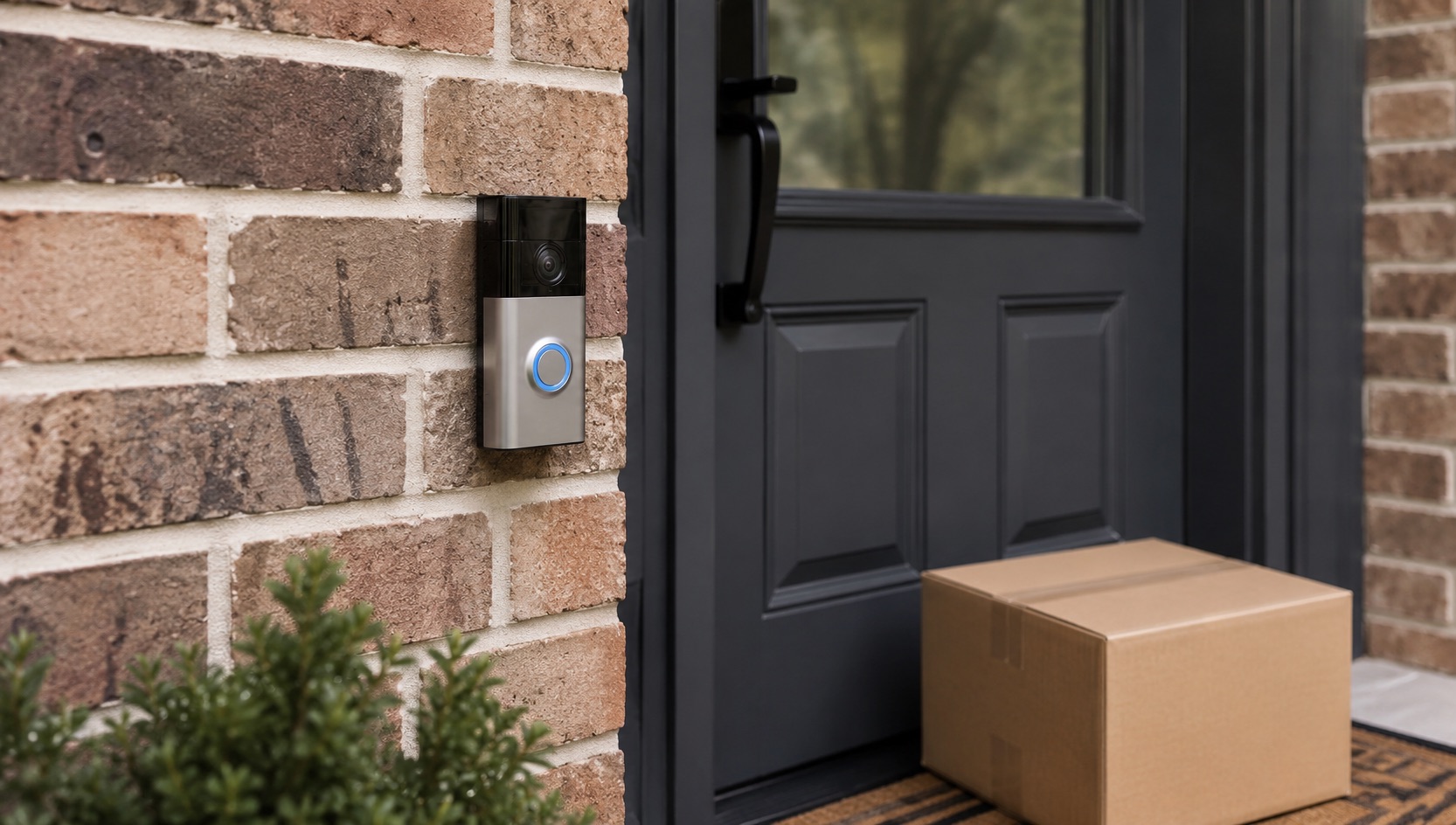
Best Smart Home for Aging Parents (2026)
Best Smart Home for Aging Parents (2026)
When your parents age and you don’t live nearby, worry becomes a constant companion. Are they okay? Did they take their medication? Is the stove off? Smart home technology in 2026 offers a middle ground between constant phone calls and invasive surveillance — providing caregivers with peace of mind while preserving a parent’s dignity and independence.
This guide is written specifically for adult children setting up smart home technology in a parent’s home. The focus is on devices that are invisible or effortless for the parent while sending meaningful alerts to you, the caregiver.
The Key Principle: Easy for Them, Informative for You
The biggest mistake caregivers make is installing complex systems that require tech-savvy interaction. Your parent shouldn’t need to learn new interfaces, remember passwords, or troubleshoot devices. The ideal setup works silently in the background, alerting you when something needs attention — without requiring anything from them.
1. Remote Monitoring Without Intrusion
Activity monitoring lets you know your parent is going about their day without requiring cameras in every room (which many seniors find invasive).
Activity Sensors
Best approach: Contact and motion sensors on key doors and rooms create a picture of daily routine without cameras.
- Aqara Door/Window Sensor ($16) — Place on bedroom door, bathroom door, refrigerator, medicine cabinet
- Aqara Motion Sensor ($22) — Detect movement in hallways, kitchen, living room
- Automation logic: Alert caregiver if no motion detected by 10 AM (parent usually up by 8 AM), or if refrigerator hasn’t been opened all day
This approach tells you “Mom is up and moving around” without watching her on camera. The sensors are tiny, unobtrusive, and require no interaction.
Camera Check-ins (When Appropriate)
For parents who consent to cameras in common areas (not bedrooms/bathrooms):
- Amazon Echo Show 8 ($150) — Doubles as a video calling device and ambient display
- Indoor camera — Place in living room or kitchen for visual check-ins
- Drop-In feature — Alexa allows family to “drop in” for a quick audio/video check (parent must opt in)
Important: Always get explicit consent. Many seniors feel surveilled and resentful if cameras appear without discussion. Frame it as a way for them to reach you easily, not as monitoring.
2. Easy Communication
Staying connected shouldn’t require navigating smartphones. Smart displays make video calling as simple as saying “call daughter.”
Amazon Echo Show (Best for Seniors)
The Echo Show is the single best smart home device for aging parents because it combines:
- Video calling — “Alexa, call [name]” initiates a video call instantly
- Drop-in — Family can check in without parent needing to answer
- Announcements — Send voice messages to parent’s display from your phone
- Photo frame — Display family photos when idle (emotional connection)
- Visual interface — Large screen shows weather, reminders, news
Setup tip: Pre-configure all contacts, enable Drop-In for family members only, and set up a shared photo album that updates automatically. The parent never needs to configure anything.
Google Nest Hub Max (Alternative)
For Google-ecosystem families, the Nest Hub Max offers similar video calling through Google Duo/Meet and a familiar Google Photos integration. Less “drop-in” capability than Alexa but excellent for households already using Google services.
For the best smart display and hub options, see our smart home hub comparison.
3. Safety Alerts Sent to Family
These are the high-priority alerts that warrant immediate caregiver attention:
Smoke and CO Detection
- Google Nest Protect ($130) — Sends phone alerts for smoke/CO to all family members, announces location of danger by voice
- First Alert Onelink ($120) — HomeKit-compatible, alerts via phone
Water Leak Detection
- Aqara Water Leak Sensor ($18) — Place under sinks, behind toilets, near water heater
- Govee Water Leak Detector ($15) — Budget WiFi option with phone alerts
A water leak left unaddressed for hours can cause thousands in damage. For a parent who might not notice or react quickly, remote alerts let you call them or dispatch help.
Door Left Open Alerts
- Contact sensor on exterior doors — Alert if front door is open longer than 10 minutes (wandering risk)
- Smart lock with auto-lock — Ensures door locks after 30 seconds even if parent forgets
No-Movement Alerts
- Motion sensor automation — If no movement detected anywhere in home for X hours during waking time, alert caregiver
- This is the most important automation — It can detect falls, medical emergencies, or any situation where parent is incapacitated
For a comprehensive subscription-free approach, see our security system guide.
4. Medication Reminders
Medication non-adherence is one of the leading health risks for seniors. Smart home tech offers multiple reminder approaches:
Smart Display Reminders
- Alexa Reminders — Set recurring voice + visual reminders: “Time to take your morning pills”
- Google Home Routines — Schedule medication reminders with voice confirmation
- Repeated reminders — Set to repeat every 15 minutes until acknowledged
Smart Pill Dispensers
- Hero Health Pill Dispenser ($30/month) — Automated dispensing, caregiver alerts if medication not taken
- MedMinder ($40-$75/month) — Locked compartments, alerts to family, pharmacist support
- Simpler approach: Smart plug on a visible pill reminder light that turns on at medication time and stays on until parent manually acknowledges
Routine-Based Reminders
Create an Alexa Routine or Google Home automation:
- At 8 AM: “Good morning! Don’t forget your morning medications.”
- If no motion in kitchen by 8:30 AM: escalate to phone call
- At 8 PM: “Time for your evening medications.”
5. Panic and Emergency Buttons
When a fall or emergency happens, your parent needs a way to get help without reaching a phone or remembering complex steps.
Voice-Activated Emergency
- “Alexa, call for help” — Configure emergency contacts in Alexa Communication
- “Alexa, call 911” — Works on Echo devices with calling enabled
- Echo devices in every room — Ensures parent is always within voice range of help
Physical Panic Buttons
- Aqara Mini Switch ($18) — Configure single-press to call caregiver, double-press for 911
- Flic Button ($35) — Large, easy-to-press button, programmable actions
- Wear on lanyard or place in multiple rooms — Accessible during a fall
Medical Alert Integration
For parents at high fall risk, dedicated medical alert systems (Medical Guardian, Bay Alarm Medical) offer 24/7 monitoring with fall detection pendants. These can complement smart home setups by providing professional emergency response.
6. Environmental Comfort and Safety
Smart Thermostat
Seniors are more vulnerable to temperature extremes. A smart thermostat ensures the home stays in a safe range (65-78°F) regardless of whether parent remembers to adjust it. Set alerts if temperature goes outside safe range.
Stove Safety
- Inirv React ($200) — Smart stove knob guard, auto-shuts off after timer, alerts caregiver
- Simple approach: Smart plug with auto-off timer on electric kettle/coffee maker (prevents leaving on)
Lighting Automation
- Motion-activated nightlights — Reduce fall risk during nighttime bathroom trips
- Sunset automation — Lights turn on automatically as it gets dark (many seniors sit in darkness)
- Pathway lighting — Motion sensors trigger hallway/bathroom lights at night
Caregiver Smart Home Setup Comparison
| Need | Solution | Device | Price | Caregiver Alert |
|---|---|---|---|---|
| Daily activity check | Motion sensors on key rooms | Aqara Motion Sensor | $22/each | Alert if no motion by 10 AM |
| Easy video calling | Smart display | Echo Show 8 | $150 | Drop-in capability |
| Smoke/CO emergency | Smart detector | Nest Protect | $130 | Immediate phone notification |
| Water leak | Leak sensor | Aqara Water Sensor | $18 | Immediate phone notification |
| Wandering/door open | Contact sensor + lock | Aqara Contact + smart lock | $16 + $200 | Alert if door open >10 min |
| Medication adherence | Voice reminder + dispenser | Alexa Reminder + Hero | $0 + $30/mo | Alert if meds not taken |
| Fall/emergency | Voice + panic button | Echo + Aqara Mini Switch | $50 + $18 | Immediate call/notification |
| Temperature safety | Smart thermostat | Ecobee | $250 | Alert if temp outside range |
| Nighttime falls | Motion-activated lights | Hue Motion Sensor + bulb | $40 + $15 | None (preventive) |
Installation Tips for a Parent’s Home
- Do it during a visit — Install everything yourself during a weekend visit. Test thoroughly before leaving.
- Label nothing — The fewer visible tech items, the less overwhelming. Sensors should be invisible.
- Use their existing WiFi — Don’t add new networks. Upgrade their router if needed but keep it simple.
- Set up remote management — Use your own Amazon/Google account so you can manage everything from your home.
- Establish a “normal” baseline — Run the system for 2 weeks before enabling alerts to learn their routine patterns.
- Have the conversation — Explain what you’re installing and why. Framing matters: “This helps me worry less” works better than “I’m monitoring you.”
Related Guides
- Best Smart Home for Managing Anxiety (2026)
- Best Smart Home Setup for Apple Users (2026)
Frequently Asked Questions
Will my parent feel surveilled or lose independence?
This is the most common concern, and it depends entirely on approach. Invisible sensors (contact, motion, leak) preserve complete privacy — they only detect patterns, not specifics. Cameras are more intrusive and should only be placed with explicit consent in common areas. Frame the technology as a way to help you worry less, not as monitoring. Many parents appreciate knowing help will come quickly if needed, and the Echo Show often becomes their favorite device for staying connected with family.
What if my parent isn’t tech-savvy at all?
The entire system should work without their active participation. Sensors and automations run silently. The Echo Show is the only device they’ll interact with, and “Alexa, call [name]” is the only command they need to learn. Everything else — alerts, monitoring, automations — happens on your end. If even voice commands are challenging, configure the panic button as a single physical press for “call my daughter.”
How much does a complete aging-parent smart home setup cost?
A basic setup runs $300-$500: Echo Show ($150), 4-6 motion/contact sensors ($80-$130), leak sensor ($18), smart plug ($15), panic button ($18-$35). A comprehensive setup with thermostat, smart lock, Nest Protect, and medication reminders runs $800-$1,200. Most components are one-time purchases with no subscriptions if you choose wisely. The Hero pill dispenser ($30/month) is the main recurring cost if medication management is needed.
Can I manage the system remotely from my own home?
Yes. Set up all devices on your own Amazon/Google account (or a shared family account). You’ll receive all alerts on your phone, can adjust automations remotely, and can Drop In via Echo for quick check-ins. The Alexa app and Google Home app both support full remote management. Smart home hubs like Home Assistant can also be accessed remotely for more advanced setups.
What’s the most important single device to install first?
An Echo Show in the kitchen or living room. It solves multiple problems simultaneously: easy video calling (reduces isolation), voice-activated emergency calling, medication reminders, weather/news for daily routine, and serves as the Drop-In endpoint for quick caregiver check-ins. It’s also the device most parents actually enjoy using, which builds trust for adding more devices later.
Final Thoughts
Setting up a smart home for aging parents is an act of love and practical caregiving. The goal isn’t surveillance — it’s peace of mind for everyone. Start with communication (Echo Show), add passive monitoring (motion sensors), then layer in safety features (leak, smoke, panic) as needed. The best system is one your parent doesn’t think about because it works invisibly, while giving you the confidence that you’ll know quickly if something is wrong.