Smart Home: What's Worth Buying vs What's a Gimmick (2026)
Not every “smart” device deserves to be in your home. Some are genuinely life-improving. Others are solutions looking for problems that don’t exist. After 5 years of testing smart home gear, here’s my honest tier list.
I’m going to be opinionated here. That’s the point.
S-Tier: Essential (Buy These First)
These devices pay for themselves in savings, convenience, or both. They’re the foundation of any smart home.
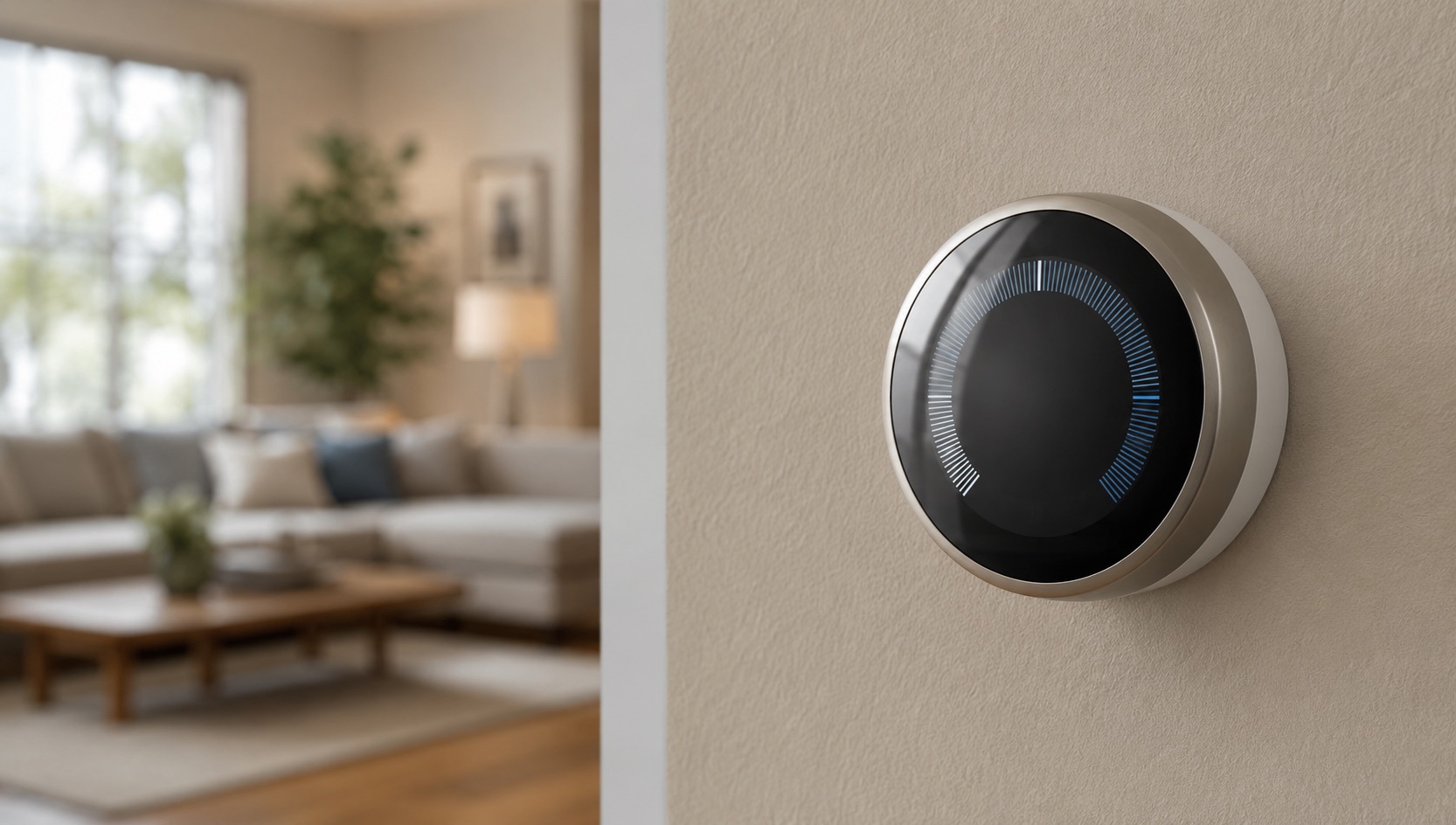
Smart Thermostat ($80-250). The single best smart home investment. A Nest or Ecobee saves 10-15% on heating/cooling bills, which means $150-300 per year for most households. It pays for itself in under 12 months. Scheduling, geofencing (turns off when you leave), and remote control are features you’ll use every single day. If you buy only one smart device ever, make it this.
Smart Plugs ($8-15 each). Criminally underrated. Turn any dumb device into a smart one. Schedule your coffee maker. Monitor energy usage on power-hungry appliances. Turn off the TV automatically at your kid’s bedtime. Set holiday lights on a timer. At $8-15 per plug, the value per dollar is unmatched in the smart home world.
Mesh WiFi ($150-350). Not glamorous, but absolutely necessary once you have more than 10 connected devices. Your smart home is only as reliable as your network. Dead zones mean unresponsive devices, failed automations, and frustration. Think of mesh WiFi as the foundation everything else builds on.
A-Tier: Great Value (Buy After the Essentials)
These cost more but deliver real, daily value for most households.
Robot Vacuum ($250-800). Saves 2-3 hours per week of manual vacuuming. If you have pets, hard floors, or kids, the daily automated cleaning is worth every penny. Not essential (you won’t save money), but the time savings and consistently clean floors are a genuine quality-of-life upgrade.
Video Doorbell ($100-250 + subscription). Knowing who’s at your door without getting up, catching package thieves on camera, and talking to delivery drivers remotely. It’s genuinely useful multiple times per week. The subscription requirement (usually $4-5/month) is annoying but the functionality justifies it for most homeowners.
Smart Bulbs or Smart Switches ($15-40). Voice-controlled lighting, automated schedules, sunrise alarms, movie-mode dimming. Lighting control is the most “visible” smart home upgrade. Guests immediately notice it. Start with 2-3 bulbs in high-traffic rooms before committing to a whole-house setup.
B-Tier: Nice to Have (Buy When Your Budget Allows)
Solid products that improve specific aspects of your home, but not essential.
Smart Lock ($150-350). Great for families, rental hosts, and people who lose keys. Not life-changing for a single person who never forgets their keys. The auto-lock and remote guest access features are genuinely convenient, but a standard deadbolt still works perfectly fine.
Smart Sensors ($15-40 each). Door/window sensors, motion sensors, water leak detectors, temperature/humidity monitors. Individually they’re small upgrades. Together they enable powerful automations (lights on when you enter a room, alerts if water detected under the washing machine). Buy them gradually for specific problems.
Smart Blinds ($100-300 per window). Automated sunrise/sunset scheduling, voice control, energy savings from intelligent temperature management. Genuinely luxurious feeling. But at $100-300 per window, outfitting a whole house is expensive. Start with one bedroom for the wake-up routine.
Smart Smoke/CO Detectors ($100-150 each). The Nest Protect tells you exactly where smoke is detected and alerts your phone before blaring the alarm. Self-testing, app alerts when you’re away, and integration with other devices (turn on all lights during an alarm). Better than dumb detectors in every way, just expensive at $100+ per unit.
C-Tier: Questionable (Think Hard Before Buying)
These work, but the “smart” features rarely justify the premium over their dumb equivalents.
Smart Fridge ($2,000-4,000). A touchscreen on your fridge that you’ll use for 2 weeks and then ignore. Internal cameras that show you expired food you already know is there. The $1,500 premium over a comparable dumb fridge buys features your phone already handles (grocery lists, recipes, calendars). The only useful feature (seeing inside remotely at the store) works with a $30 webcam stuck inside a regular fridge.
Smart Mirror ($200-800). Shows you the weather and your calendar while you brush your teeth. Sounds cool in a YouTube review. In practice, you’ll check your phone instead because the interaction is faster. Unless you’re building a dedicated morning routine display, this is expensive decor that masquerades as technology.
Smart Kitchen Gadgets (varies). WiFi-connected air fryers, Bluetooth meat thermometers, app-controlled slow cookers. The thermometer is actually useful (I’ll give it that). But a WiFi air fryer notification saying “food is done” is solving a problem that a kitchen timer already solved. Most of these add an app where a button would suffice.
Smart Garden/Watering Systems ($150-400). Automated watering schedules based on weather data sound brilliant. But most people overestimate how much they’ll use the smart features after the novelty wears off. A $30 mechanical timer handles 90% of the same job. The smart version makes sense only if you have extensive landscaping or travel frequently during growing season.
D-Tier: Waste of Money (Skip Entirely)
These products exist because companies will put WiFi in anything that can hold a chip. They solve no real problem.
Smart Water Bottle ($50-100). It tracks how much water you drink and reminds you to hydrate. Your body already does this. It’s called being thirsty. If you genuinely struggle with hydration, a $5 bottle with time markings works identically without needing charging, Bluetooth pairing, or an app.
Smart Hairbrush ($100-200). Analyzes your brushing technique and hair health. I’m not making this up. It tells you if you’re brushing too hard. Unless you have medically diagnosed hair/scalp issues requiring monitoring (at which point see a dermatologist), this is a $100 brush that needs batteries.
WiFi-Connected Toaster ($300+). Yes, these exist. They let you set toast darkness from your phone. The walk from your couch to the toaster is 15 feet. The app adds no value. Your toast doesn’t need the internet. This is peak “just because we can doesn’t mean we should.”
Smart Egg Trays ($30-50). Tells you how many eggs you have left. Opens an app to show egg freshness. You could, alternatively, open the egg carton and look. The fact that someone designed, manufactured, and sold this product keeps me up at night.
Smart Salt Dispenser ($100+). Dispenses a measured amount of salt. Controlled via app. I refuse to elaborate further on why this doesn’t need to exist.
The Full Tier Table
| Device | Tier | Why | Price Range |
|---|---|---|---|
| Smart Thermostat | S (Essential) | Saves $150-300/year, pays for itself | $80-250 |
| Smart Plugs | S (Essential) | $8-15, makes any device smart | $8-15 each |
| Mesh WiFi | S (Essential) | Foundation for all other devices | $150-350 |
| Robot Vacuum | A (Great Value) | Saves 2-3 hours/week of cleaning | $250-800 |
| Video Doorbell | A (Great Value) | Security + daily package convenience | $100-250 + sub |
| Smart Bulbs/Switches | A (Great Value) | Most visible upgrade, voice + scheduling | $15-40 |
| Smart Lock | B (Nice to Have) | Great for specific situations | $150-350 |
| Smart Sensors | B (Nice to Have) | Enable automations, catch problems | $15-40 each |
| Smart Blinds | B (Nice to Have) | Luxurious, but expensive per window | $100-300/window |
| Smart Smoke Detectors | B (Nice to Have) | Safer but expensive | $100-150 each |
| Smart Fridge | C (Questionable) | $1,500 premium for features you won’t use | $2,000-4,000 |
| Smart Mirror | C (Questionable) | Cool for a week, then ignored | $200-800 |
| Smart Kitchen Gadgets | C (Questionable) | Apps where buttons suffice | $30-200 |
| Smart Garden System | C (Questionable) | Niche use, $30 timer does 90% | $150-400 |
| Smart Water Bottle | D (Waste) | Being thirsty is free | $50-100 |
| Smart Hairbrush | D (Waste) | Solving no real problem | $100-200 |
| WiFi Toaster | D (Waste) | Your toast doesn’t need internet | $300+ |
| Smart Egg Tray | D (Waste) | Just open the carton | $30-50 |
How to Build Your Smart Home the Right Way
Start at S-tier and work down. Seriously. A smart thermostat, a few smart plugs, and reliable WiFi will transform your daily routine more than any flashy gadget.
Only move to A-tier once your foundation is solid. Only consider B-tier once you’ve lived with A-tier long enough to know what automations you actually want.
Never buy C or D tier unless you have specific needs that genuinely match the product (rental property watering systems, medical monitoring) or money you’re happy to waste for the fun of it.
For specific product recommendations in each tier, check out our best smart thermostat picks, best robot vacuums, best smart bulbs, and best mesh WiFi systems.
Starting from scratch? Our complete guide to starting a smart home walks you through the exact buying order. And for the real monthly cost of running a smart home (spoiler: it’s less than most people think), see our smart home cost breakdown.
FAQ
What’s the single best smart home device to start with?
A smart thermostat. It’s the only device that actively saves you money (10-15% on heating/cooling). Everything else costs money to operate or subscribe to. The thermostat pays for itself within a year and requires zero daily interaction after setup.
Are smart home devices a waste of money overall?
The S and A tier devices genuinely improve daily life and (in some cases) save money. The problem is that companies market C and D tier products just as aggressively. Be selective. A focused smart home with 5-10 well-chosen devices beats a house stuffed with 50 gadgets you barely use.
Do smart home devices spy on you?
Devices with microphones (smart speakers) and cameras (doorbells, indoor cameras) do transmit data to company servers. The privacy trade-off is real. Choose brands with strong privacy policies, use local processing where available, and keep cameras out of private spaces like bedrooms and bathrooms. Smart plugs, thermostats, and bulbs collect minimal data.
How much does a good smart home cost to set up?
A solid foundation (thermostat + 4 smart plugs + mesh WiFi) costs $250-400. Adding A-tier devices (robot vacuum + doorbell + smart bulbs) brings you to $600-1,200 total. You don’t need to buy everything at once. Spread purchases over 6-12 months and buy each tier’s devices as sales appear.
What smart home devices have the best resale value?
Thermostats and mesh WiFi systems hold value best (60-70% after 2 years). Robot vacuums depreciate quickly (30-40% after a year). Smart bulbs and plugs are essentially worthless used. If you might want to sell later, keep original boxes and buy mainstream brands (Nest, Ecobee, Eero) rather than niche ones.